Part 1 of 20
Raja Ampat, Indonesia: the richest coral reefs on Earth
At the heart of the Coral Triangle, Raja Ampat has more species of reef fish and coral than anywhere else on the planet. How to get there, when to go and what you’ll see.
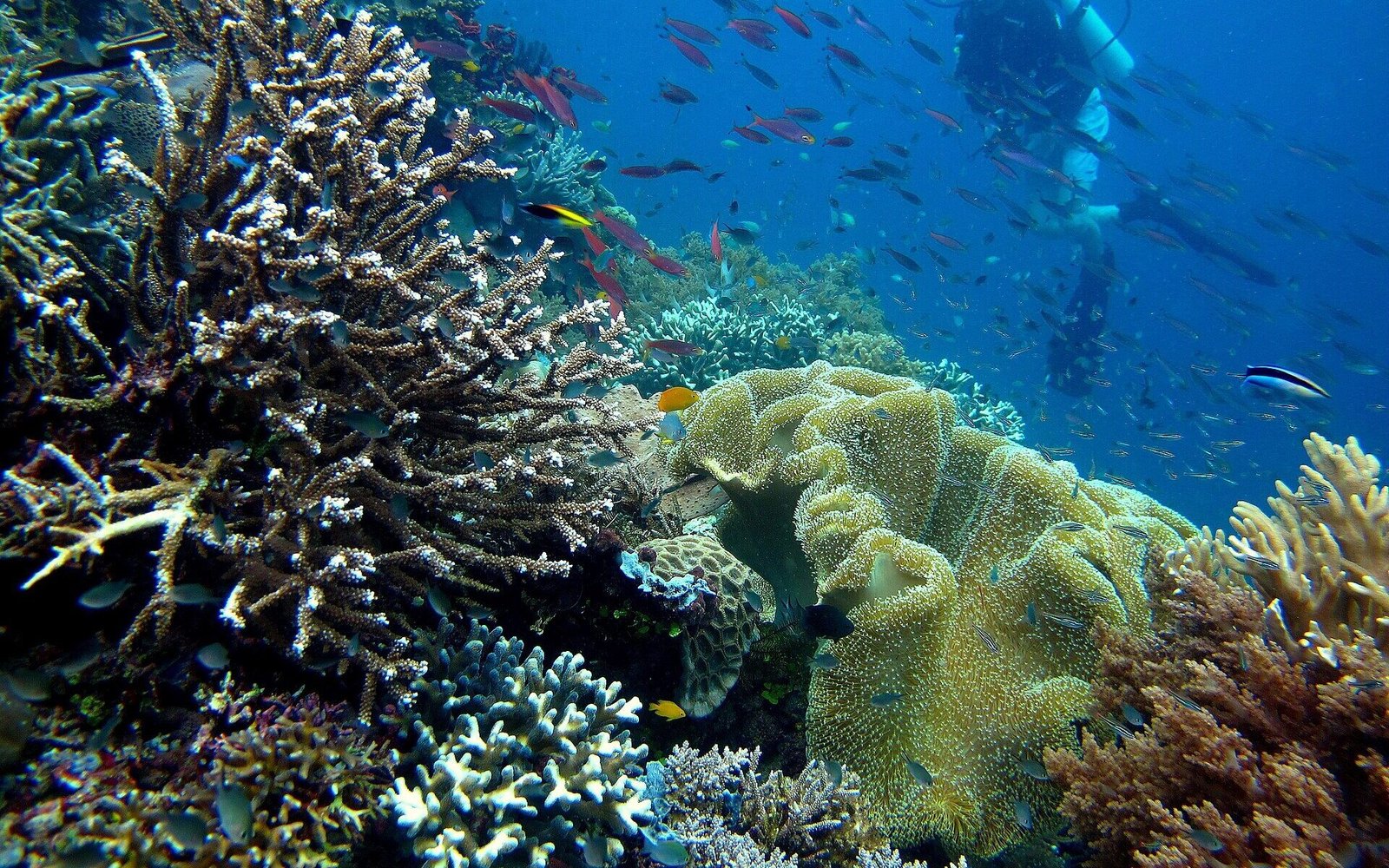
Ask divers to name the best reef in the world and Raja Ampat comes up more than any other. This scatter of some 1,500 jungle-topped islands off the western tip of New Guinea sits at the centre of the Coral Triangle, the region with the greatest marine biodiversity on Earth. Its name means “Four Kings”, after the four largest islands: Waigeo, Batanta, Salawati and Misool.
Why it’s special
No other reef system has been found with so much life. Surveys across Raja Ampat and the surrounding Bird’s Head Seascape have recorded more than 1,600 species of reef fish and well over 500 species of reef-building coral, around three-quarters of all the hard coral species known. The ichthyologist Gerry Allen, who first surveyed the area in the 1990s, set a record by counting more than 370 fish species on a single dive at Cape Kri.
The reefs were largely unknown to science until the Dutch diver Max Ammer, who came looking for Second World War wrecks, set up a dive camp on Kri Island and invited scientists to see what he had found. Their surveys put Raja Ampat on the map, and the regency later declared a network of marine protected areas, a shark and ray sanctuary, and a visitor permit system whose fees help pay for patrols.
Scientists are also interested in Raja Ampat’s resilience. Strong currents bring cooler, nutrient-rich water, and the reefs have historically recovered quickly from disturbance. They are not immune: parts of the area bleached during the global heatwave of 2023–25.
What you’ll see
- Fish in astonishing numbers: schools of fusiliers, barracuda and jacks over the reef tops at Cape Kri and Sardine Reef.
- Manta rays: reef mantas at cleaning stations such as Manta Sandy and Manta Ridge, and oceanic mantas near Misool.
- Walking sharks: the endemic Raja Ampat epaulette shark, which “walks” across the reef on its fins at night.
- Wobbegongs and pygmy seahorses: tasselled carpet sharks under the ledges and tiny seahorses on sea fans.
- Soft corals: forests of colour where currents run strongest, especially around Misool.
When to go
You can dive Raja Ampat all year, but October to April brings the calmest seas and is the main liveaboard season. From June to September stronger southerly winds can make crossings rough, especially in the south around Misool. Water temperatures stay around 27–30°C year-round.
How to get there
Most visitors fly to Sorong via Jakarta, Makassar or Manado, then take the public ferry to Waisai, the regency capital, about two hours away. Resorts and homestays collect guests from Waisai. Liveaboard trips usually start in Sorong.
Every visitor pays an entry fee to the regency, IDR 1,000,000 per person for international visitors at the last check, plus a separate marine park fee. Buy them through the official channel or at the Waisai port counter, and ask your resort or boat to confirm the total before you travel.
Where to stay
Choose between community-run homestays on Kri, Gam and Arborek, comfortable eco-resorts in the Dampier Strait, or a liveaboard, which is the only practical way to reach the far south and Misool in one trip. Snorkellers do brilliantly here: the house reefs at many homestays are as good as dive sites elsewhere.
Snorkelling or diving?
Both are superb. Snorkellers can see more fish life in an hour off a Raja Ampat jetty than in a week on many reefs: the jetties at Arborek and Yenbuba are famous for schools of fish, sweetlips and the occasional wobbegong under the boards. Divers get the full picture at sites such as Cape Kri, Blue Magic, Sardine Reef and Melissa’s Garden, where currents bring in the big schools. Currents can be strong, so dives are planned around the tides; less experienced divers should tell their guide and stick to sheltered sites until they’re comfortable.
Know before you go
- Budget: Raja Ampat is not cheap. Homestays are the budget option; resorts and liveaboards cost considerably more, and getting there takes time.
- Malaria: it is present in Papua, so ask a travel clinic about prevention.
- Cash: bring Indonesian rupiah; there are few ATMs outside Waisai and Sorong.
- Connectivity: mobile signal and internet are patchy on most islands.
- Dive insurance: essential; the nearest recompression chamber is a long way off.
- Water temperature: around 27–30°C, so a 3 mm wetsuit is plenty.
Best snorkel and dive sites
- Arborek Jetty: a village jetty swarming with fish, with soft corals on the pilings; one of the best snorkel spots in Indonesia.
- Cape Kri: famous for holding a world record for the number of fish species counted on a single dive. Strong currents make it a dive site, but the shallows are good for snorkellers on calm days.
- Manta Sandy: a cleaning station near Arborek where manta rays queue to be cleaned by small fish. Snorkellers can often watch from the surface.
- Friwen Wall: a gentle wall of soft corals and sea fans close to the surface.
- Misool: in the remote south, a marine reserve of limestone islands, lagoons and some of the healthiest reefs in the region, best visited by liveaboard or from an eco-resort.
Plan your trip
Allow at least a week: it takes a long journey to get here, and you’ll want several days on the water. Most visitors base themselves in the Dampier Strait, around Kri, Gam and Arborek, where homestays and resorts are close to the best sites. Liveaboards, usually 7 to 12 nights, are the way to reach Misool and the far north.
Planning where to go? See our guide to the best snorkelling in the world and the best places to snorkel from the beach.
Protecting the reef
Raja Ampat’s permit fees fund rangers and community patrols. Use reef-safe sunscreen, never stand on coral, keep fins off the reef in strong currents, and choose operators that follow the local code of conduct.
Book a trip
Compare snorkel trips, dive days and tours for this area on our partner GetYourGuide, with reviews from other travellers and free cancellation on many trips. For the full list, see the world’s top 20 coral reefs, our guide to the best snorkelling in the world, or read about coral bleaching and the future of reefs.
Questions people ask
Is Raja Ampat good for snorkelling?
Yes. Many homestays and resorts have superb house reefs, and sites such as Arborek jetty and Friwen Wall are easy from the surface.
How long do you need in Raja Ampat?
At least a week, because of the journey. Ten to fourteen days lets you see both the Dampier Strait and the south.
Do I need to be an advanced diver?
Many sites have strong currents, so an advanced certificate and some current experience help. Beginners can dive sheltered sites with a guide.
Some links on this page earn us a commission at no extra cost to you. How this site makes money