The top 20 coral reefs in the world
From Raja Ampat to the Maldives: twenty of the world’s finest coral reefs, with when to go, how to get there and how each reef is faring today.
-
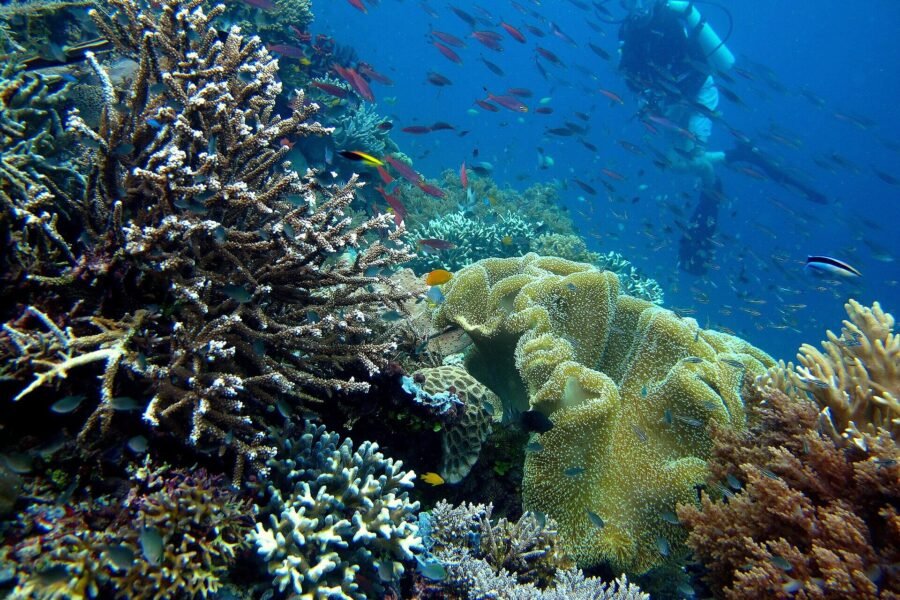
Raja Ampat, Indonesia: the richest coral reefs on Earth
Indonesia
At the heart of the Coral Triangle, Raja Ampat has more species of reef fish and coral than anywhere else on the planet. How to get there, when to go and what you’ll see.
-
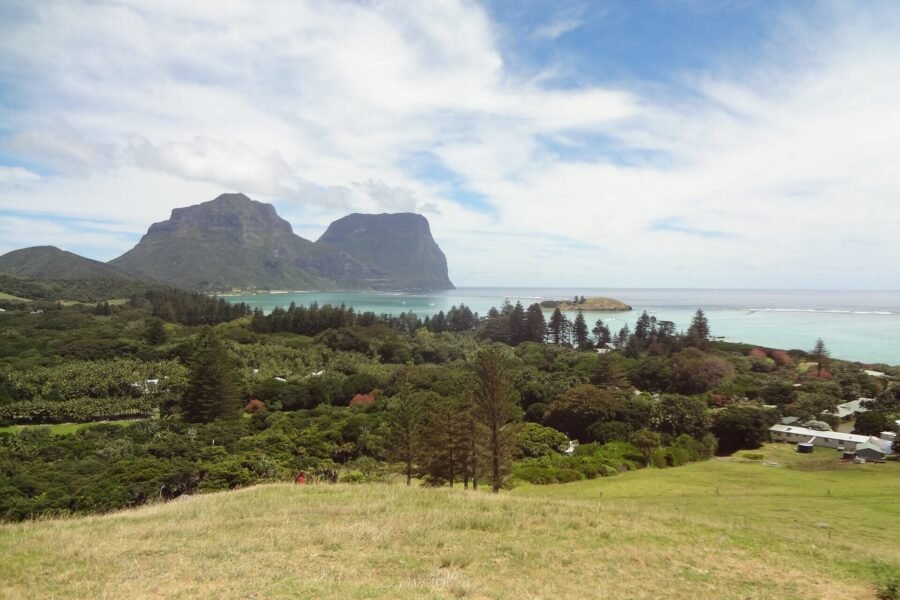
Lord Howe Island, Australia: the world’s southernmost coral reef
Australia
Only 400 visitors are allowed on Lord Howe at once, and its lagoon shelters the most southerly barrier reef on Earth, where tropical and temperate sea life meet.
-
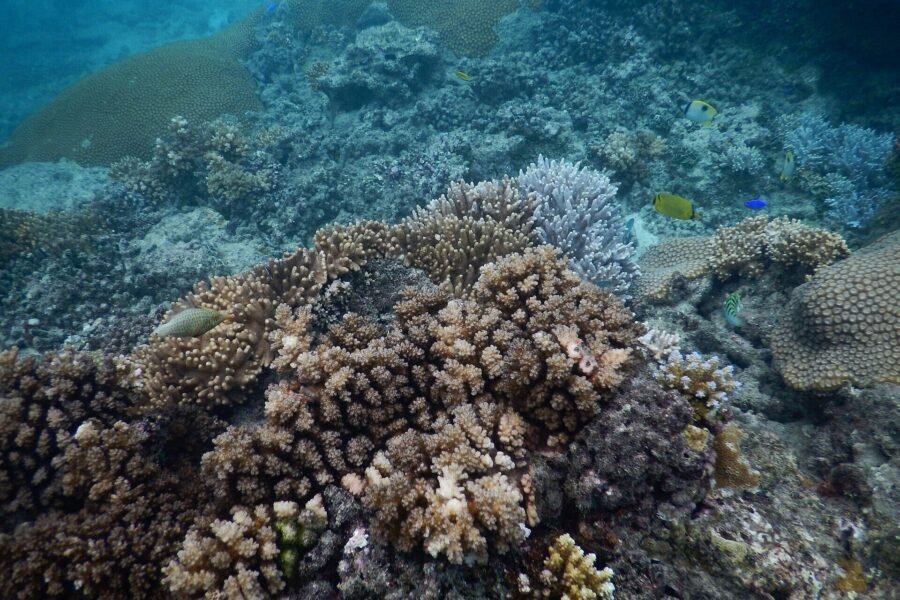
Vatu-i-Ra, Fiji: the soft coral capital of the world
Fiji
In Fiji’s Bligh Water, strong currents feed walls of soft coral in every colour. The Vatu-i-Ra seascape is one of the most spectacular reef areas in the South Pacific.
-
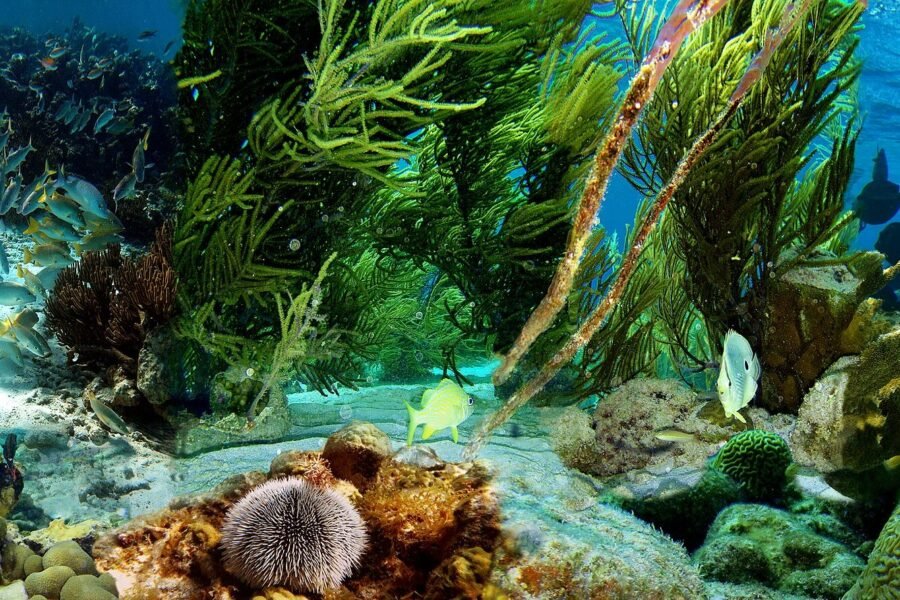
Bonaire: the Caribbean’s easiest coral reef to explore
Caribbean Netherlands
Bonaire protected its entire coastline in 1979. Today you can wade in from the shore at dozens of marked sites and be over healthy Caribbean reef within minutes.
-
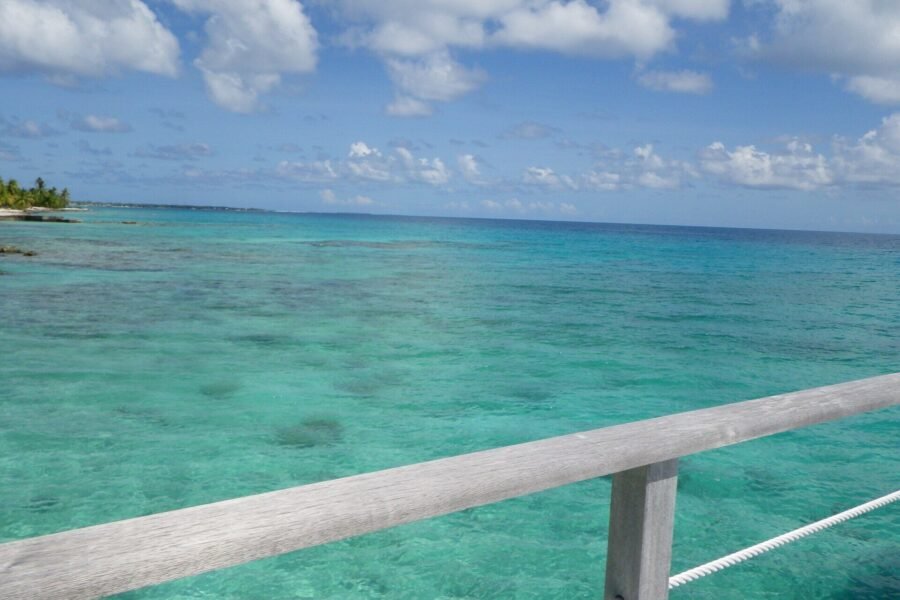
Rangiroa, French Polynesia: sharks, dolphins and a giant lagoon
French Polynesia
Rangiroa’s lagoon is so big you can’t see across it. Twice a day the tide pours through its passes, bringing sharks, dolphins and manta rays with it.
-
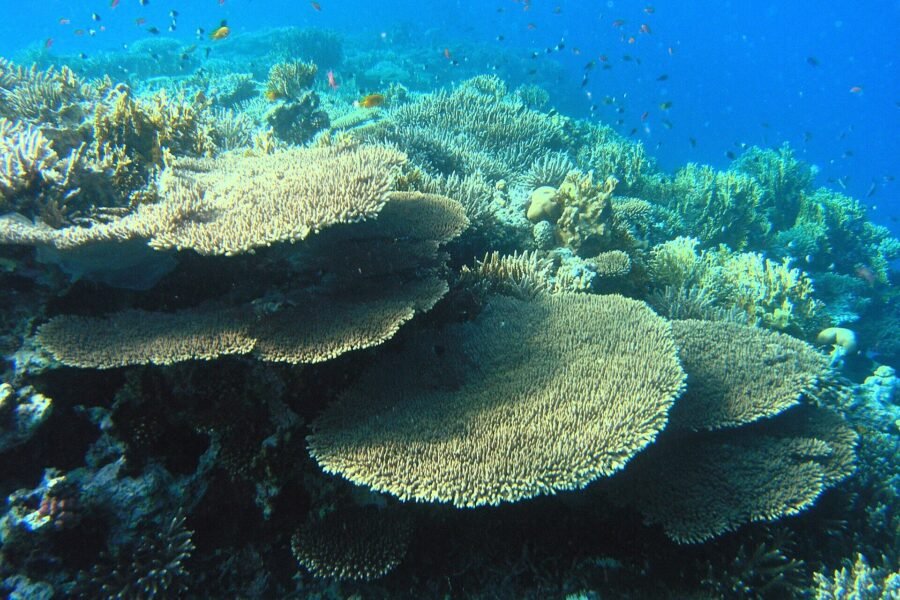
The Red Sea reefs of Egypt: Cousteau’s underwater world
Egypt
Jacques Cousteau filmed and explored here in the 1950s. Today Egypt’s Red Sea reefs, from Ras Mohammed to the Brothers, are among the most visited and most heat-tolerant in the world.
-
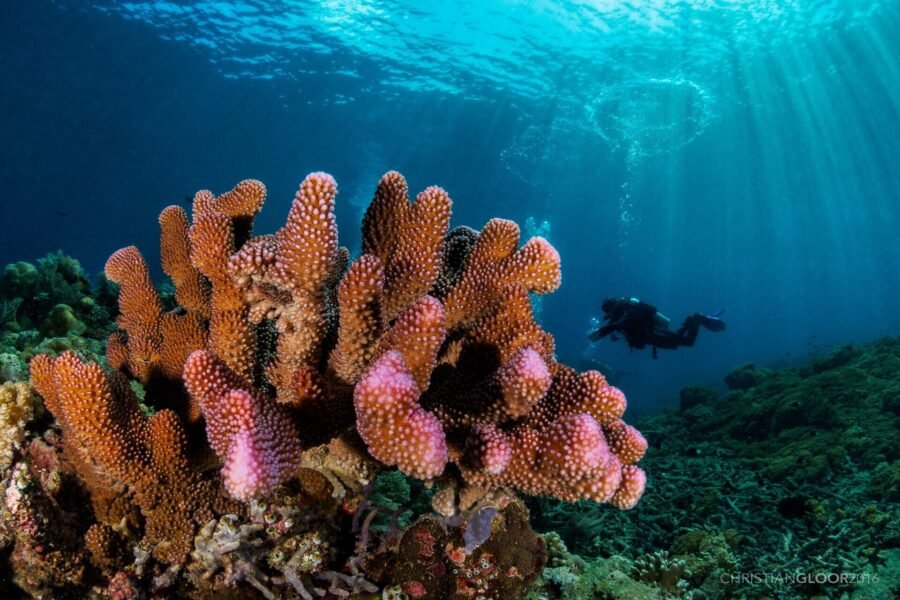
Wakatobi, Indonesia: a remote national park of perfect reefs
Indonesia
Named after its four main islands, Wakatobi in south-east Sulawesi is one of Indonesia’s largest marine national parks, with clear water, steep walls and almost no crowds.
-
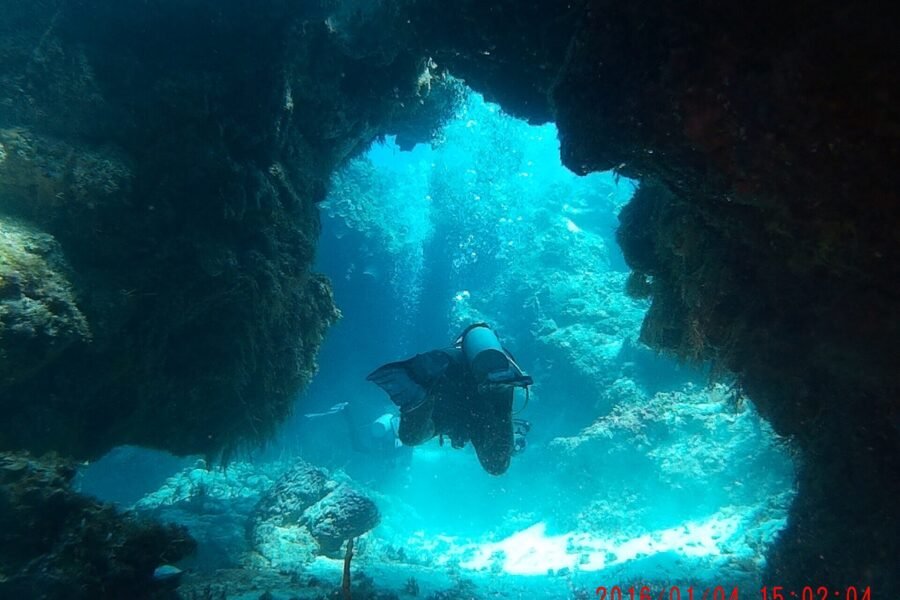
Palancar Reef, Cozumel: Mexico’s most famous drift dive
Mexico
Off the south-west coast of Cozumel, Palancar Reef’s coral towers, caves and swim-throughs line a gentle current that carries divers effortlessly along the reef.
-
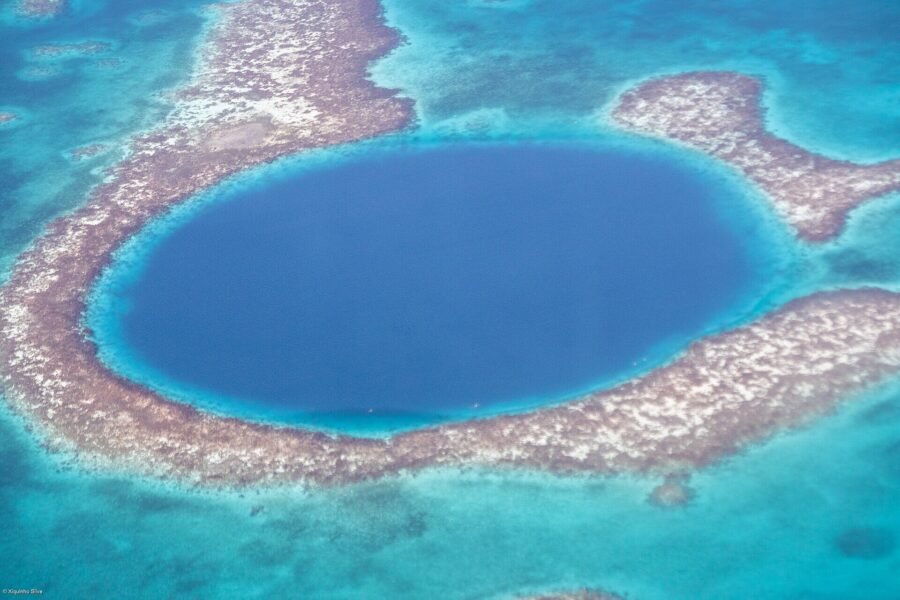
The Belize Barrier Reef: the Great Blue Hole and beyond
Belize
Charles Darwin called it the most remarkable reef in the West Indies. Belize’s barrier reef, atolls and the Great Blue Hole are a World Heritage Site and the Caribbean’s finest.
-
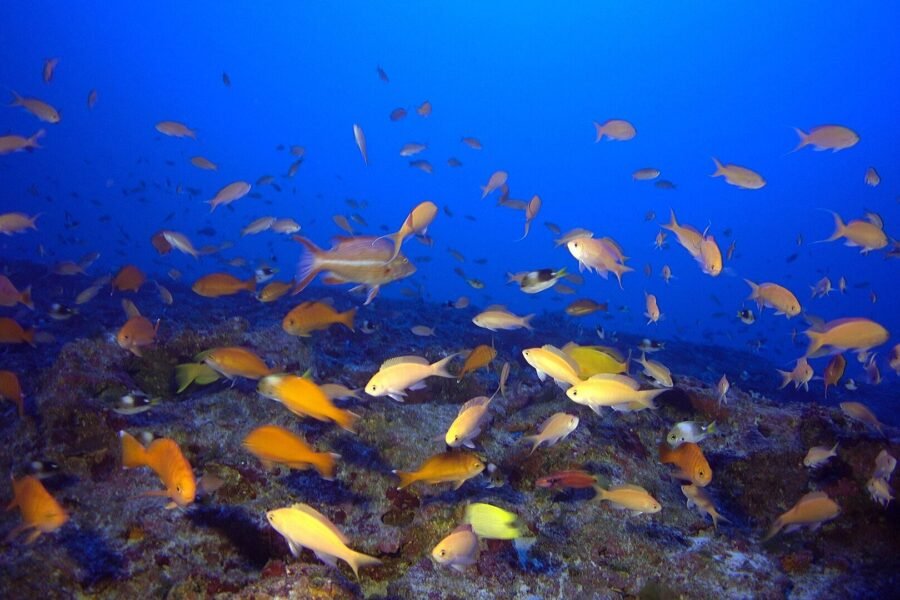
Pulley Ridge: America’s deepest light-dependent coral reef
Gulf of Mexico, USA
Some 60 to 80 metres down in the Gulf of Mexico, Pulley Ridge is the deepest known coral reef that still lives on sunlight. You can’t dive it, but it may help other reefs survive.
-
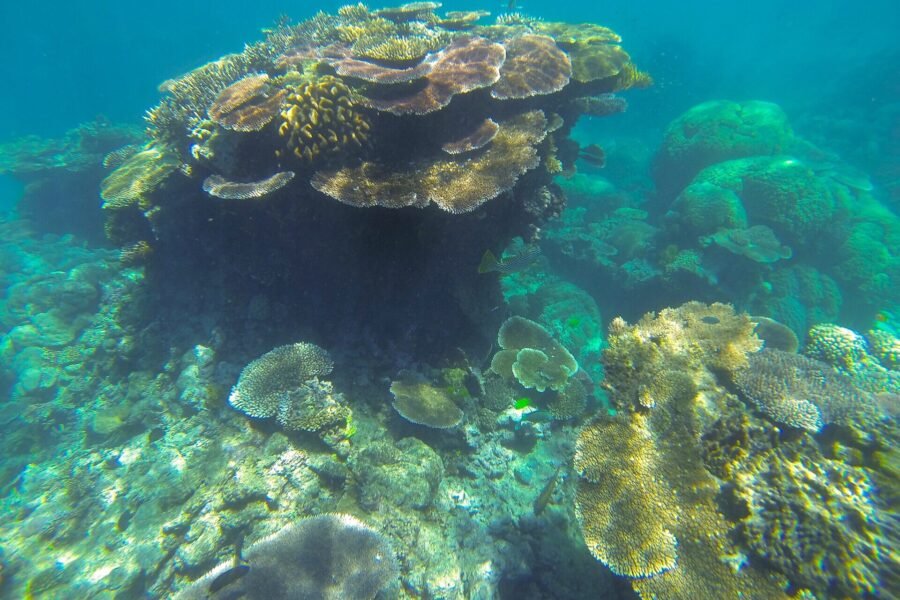
The Great Barrier Reef: the world’s largest reef, seen from space
Australia
Stretching 2,300 km along Queensland, the Great Barrier Reef is the largest living structure on Earth. Where to see it, when to go, and how it’s really doing in 2026.
-
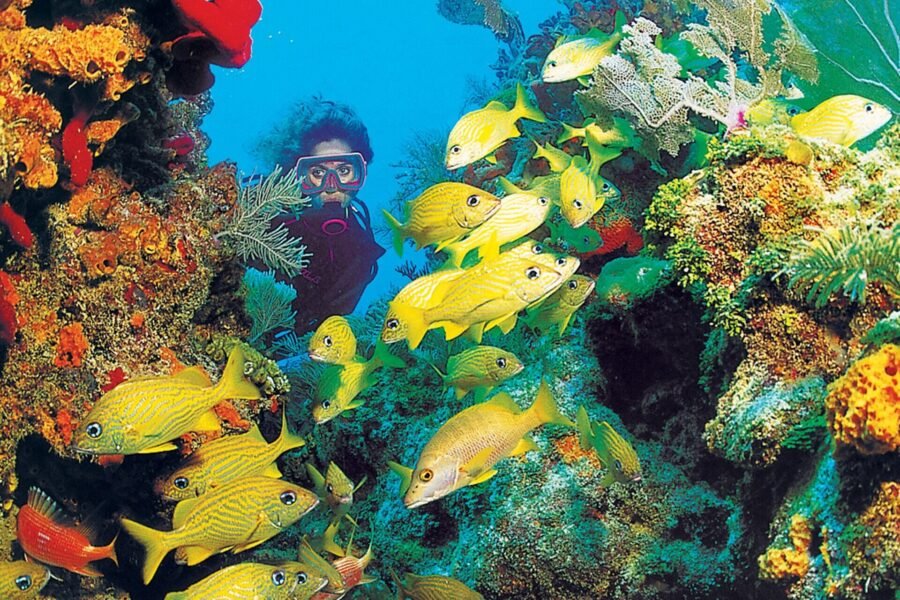
Florida’s Coral Reef: America’s only barrier reef
Florida, USA
Florida’s Coral Reef runs for about 350 miles from the Dry Tortugas to Martin County. It’s under pressure, but snorkelling the Keys is still one of America’s great days out.
-
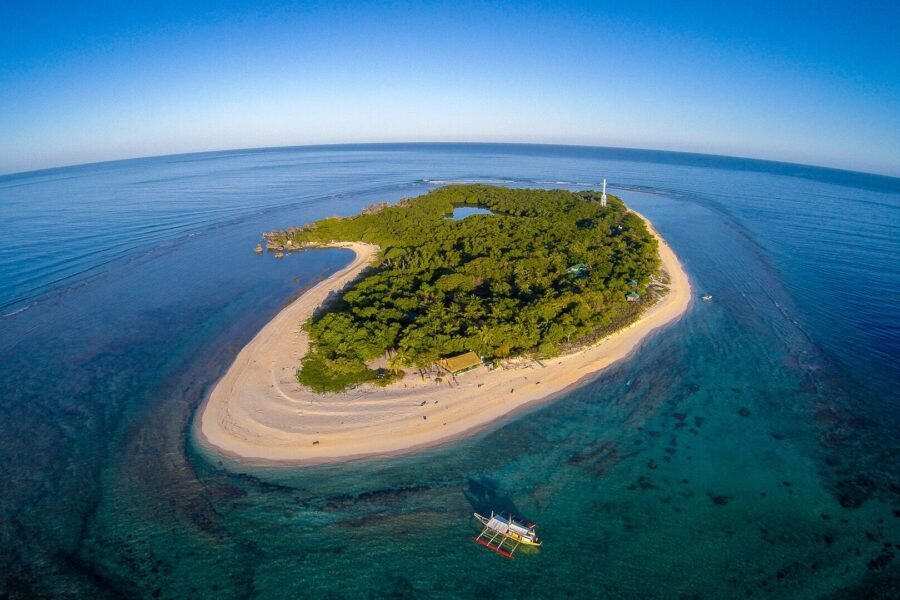
Apo Reef, Philippines: the country’s largest coral reef
Philippines
Covering 34 km² in the Mindoro Strait, Apo Reef is the largest coral reef in the Philippines and one of the largest continuous reefs in the world.
-
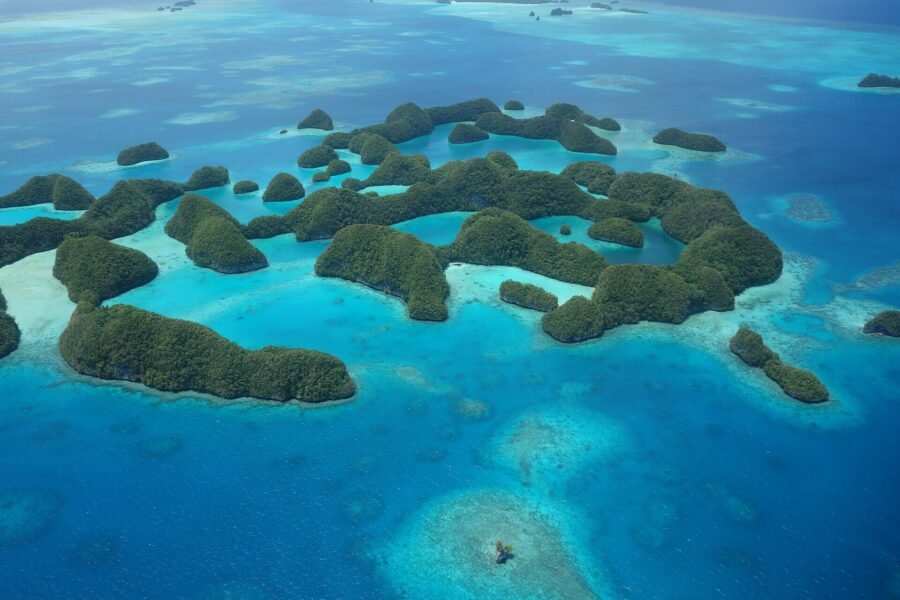
Palau: the reef that bounced back
Palau
Palau’s mushroom-shaped Rock Islands rise from a turquoise lagoon above some of the best diving on Earth. Its reefs recovered from bleaching faster than almost anywhere else.
-
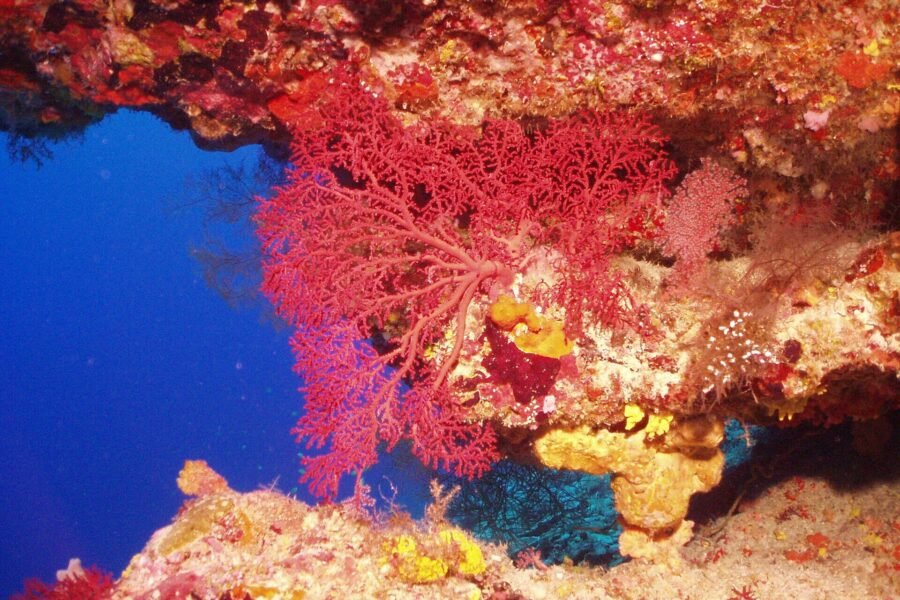
The Chagos Archipelago: the Indian Ocean’s wilderness reefs
Indian Ocean
In the middle of the Indian Ocean, the Chagos Archipelago holds some of the cleanest, least-disturbed reefs on Earth, inside one of the world’s largest marine reserves.
-
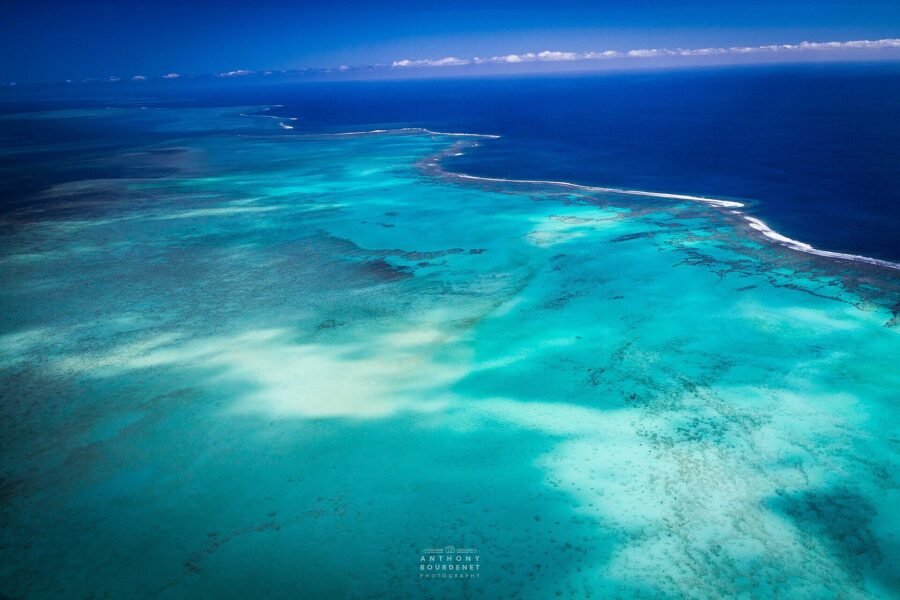
New Caledonia: the world’s longest continuous barrier reef
New Caledonia (France)
About 1,500 km long and enclosing a 24,000 km² lagoon, New Caledonia’s barrier reef is a World Heritage Site with dugongs, turtles and some of the Pacific’s richest reefs.
-
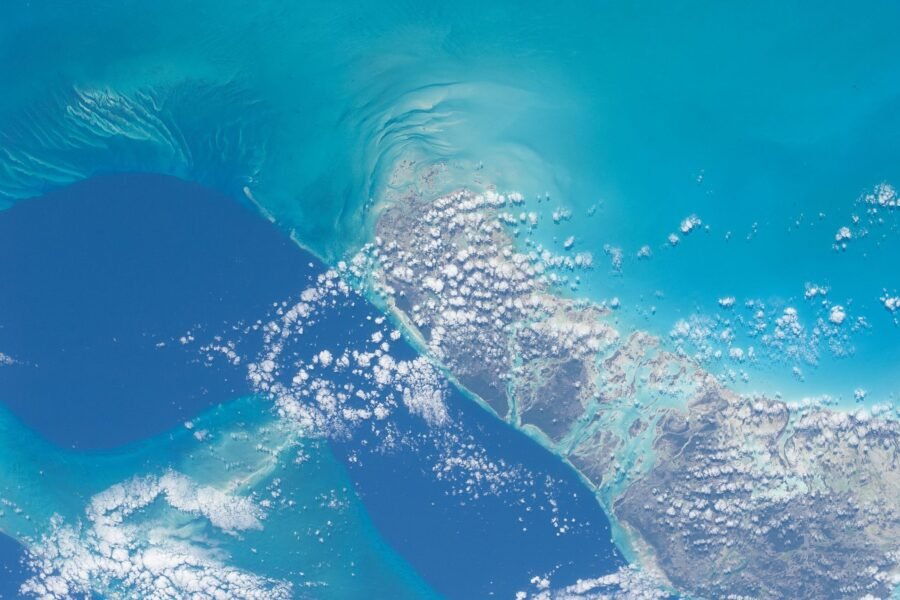
The Andros Barrier Reef, Bahamas: blue holes and the Tongue of the Ocean
The Bahamas
Running for some 225 km along the edge of a 2,000-metre-deep trench, the Andros Barrier Reef is one of the longest barrier reefs in the world, and one of the least crowded.
-
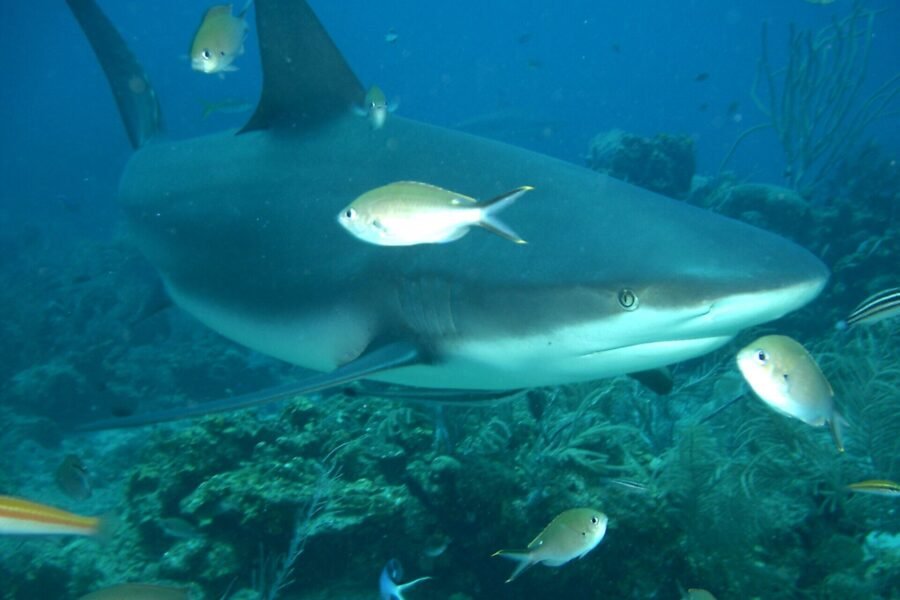
The Mesoamerican Reef: the jewel of the Caribbean
Mexico to Honduras
Stretching over 1,000 km from Mexico to Honduras, the Mesoamerican Reef is the largest reef system in the Atlantic, with whale sharks, manatees and four countries to explore.
-
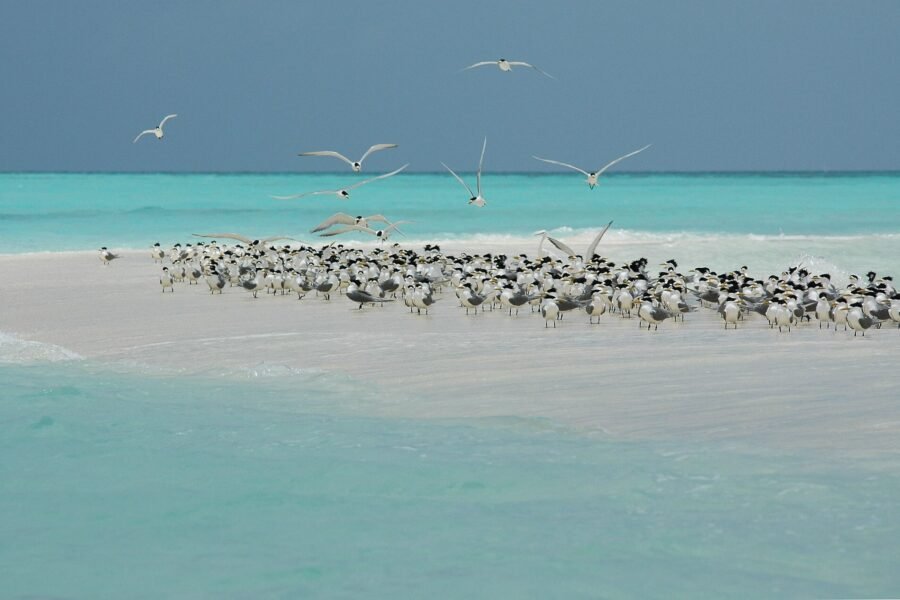
Tubbataha Reefs, Philippines: the Sulu Sea’s protected wilderness
Philippines
Reachable only by liveaboard for three months a year, Tubbataha in the middle of the Sulu Sea is one of the best-protected and most spectacular reefs in South-East Asia.
-
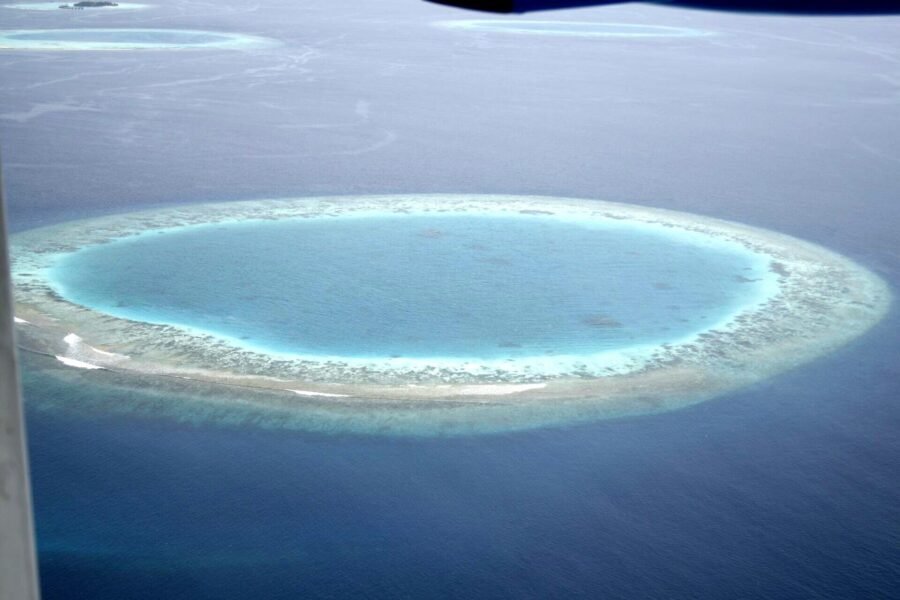
The reefs of the Maldives: manta rays, whale sharks and new species
Maldives
The Maldives is 99% water: 26 atolls and around 1,190 islands built by coral. It’s one of the easiest places in the world to see manta rays, whale sharks and new species.
See a reef for yourself
Snorkel trips, dive days and liveaboards from trusted local operators, bookable online.