Part 7 of 20
Wakatobi, Indonesia: a remote national park of perfect reefs
Named after its four main islands, Wakatobi in south-east Sulawesi is one of Indonesia’s largest marine national parks, with clear water, steep walls and almost no crowds.
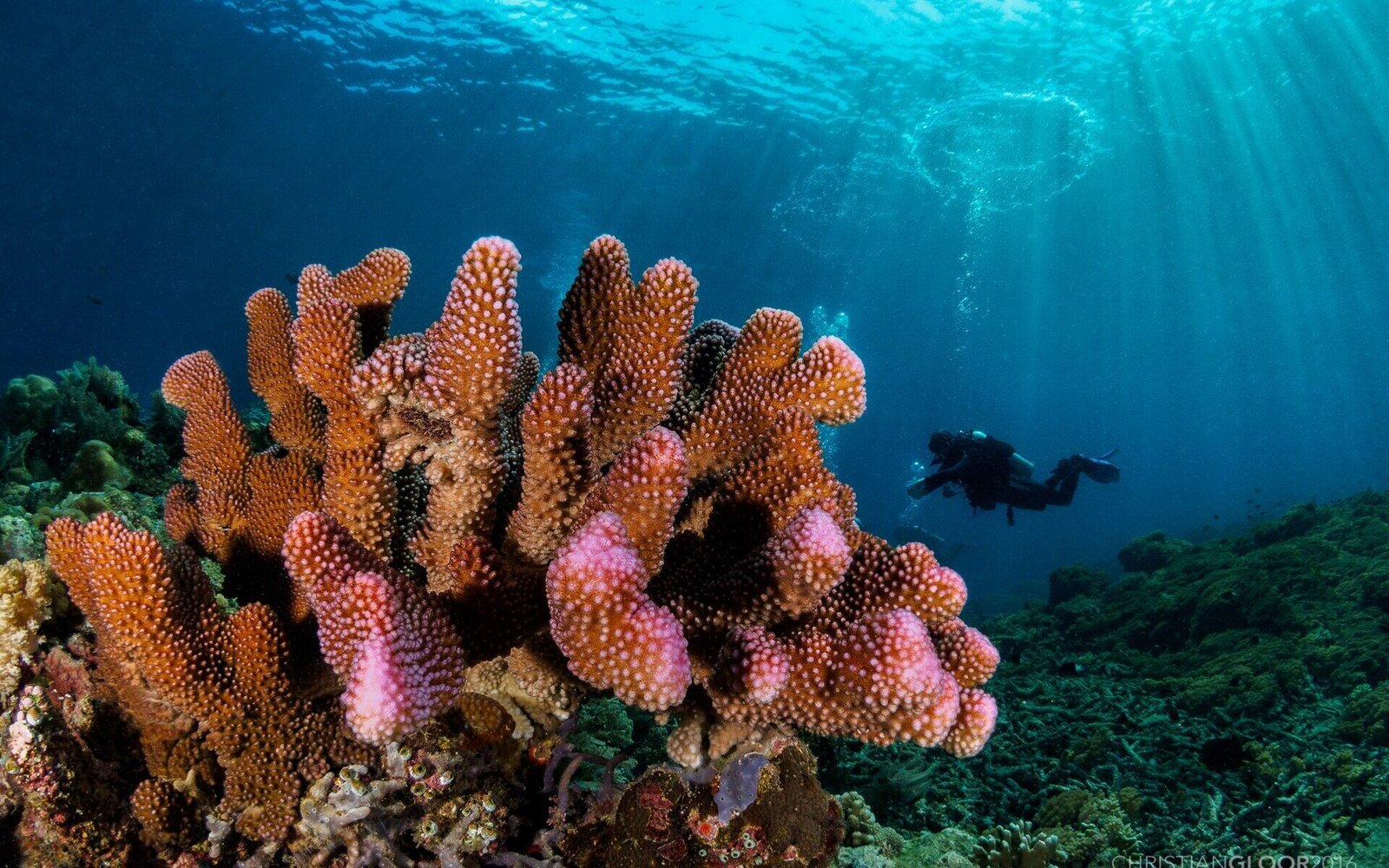
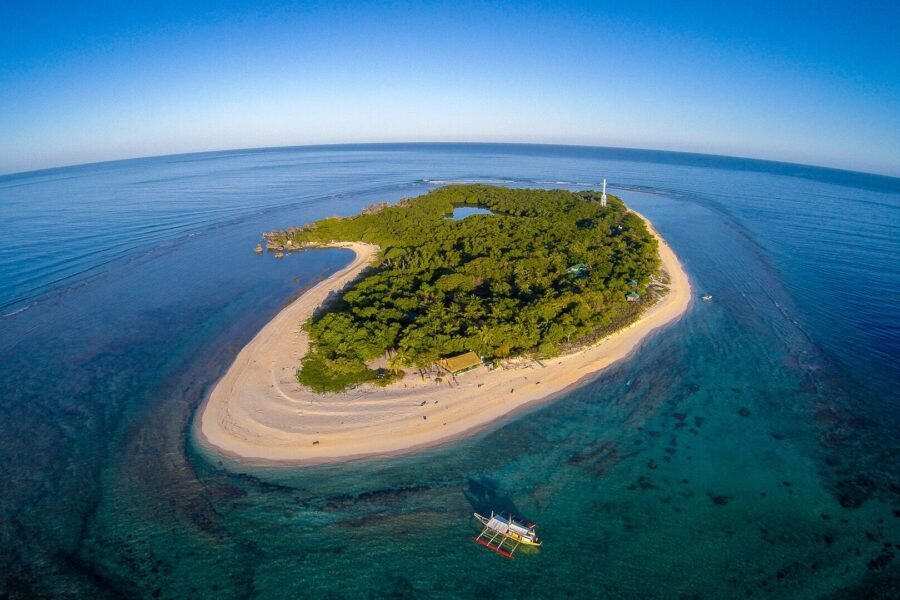
Wakatobi takes its name from the first letters of its four main islands: Wangi-Wangi, Kaledupa, Tomia and Binongko. Together with dozens of smaller islands and reefs they form a marine national park in the Banda Sea, inside the Coral Triangle. It is remote, which is exactly why its reefs remain so healthy.
Why it’s special
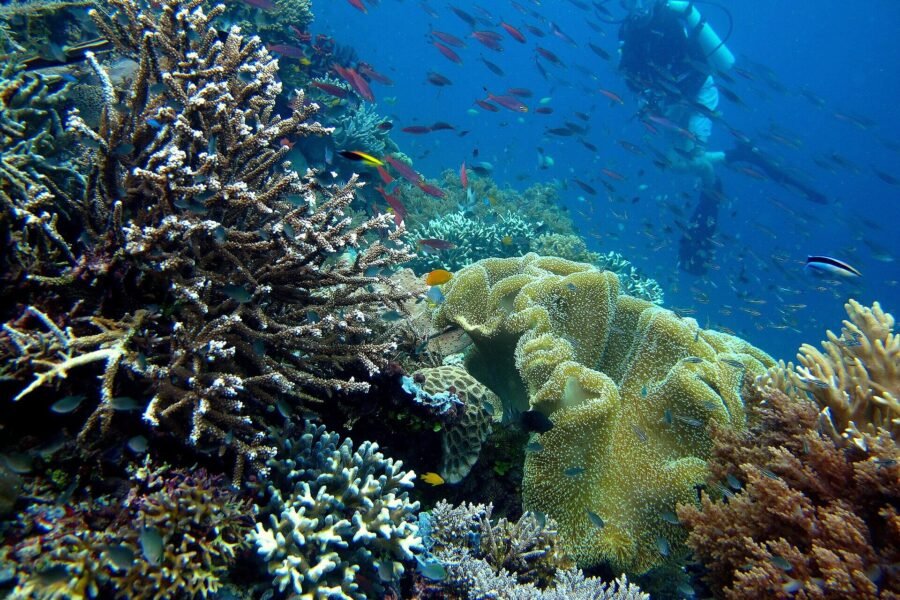
Wakatobi was declared a national park in 1996 and a UNESCO Biosphere Reserve in 2012. It covers some 1.4 million hectares, and its reefs host hundreds of species of coral and fish. The islands are also home to the Bajau, traditional sea nomads whose villages stand on stilts over the water. Community-based protection and a no-take reef scheme at the area’s best-known resort have helped keep fish life abundant.
What you’ll see
- Walls: sheer drop-offs covered in sea fans, sponges and soft corals.
- Turtles and reef fish: hawksbill and green turtles are common, as are schools of fusiliers, snappers and sweetlips.
- Macro life: pygmy seahorses, ghost pipefish, frogfish and countless nudibranchs.
- House reefs: several resorts have house reefs good enough for unlimited shore diving and snorkelling.
When to go
Wakatobi can be dived all year, with water at about 26–29°C. The drier months are roughly April to December; July and August can bring stronger winds and cooler water. Visibility is usually excellent.
How to get there
Public flights connect Wangi-Wangi (Matahora airport) with Kendari and Makassar in Sulawesi. Wakatobi Dive Resort, on the island of Onemobaa off Tomia, runs its own charter flights from Bali for guests. Liveaboards include Wakatobi on Banda Sea itineraries.
Snorkelling or diving?
Wakatobi is outstanding for both. Many reefs start in water barely a metre deep and drop steeply away, so snorkellers can float over the reef top and look down the wall at turtles and schooling fish. Divers can explore walls, pinnacles and slopes with generally mild currents and excellent visibility, which makes the area suitable for less experienced divers as well as photographers.
Know before you go
- Remoteness: allow plenty of time for connections; flights to Wangi-Wangi are limited.
- Accommodation: ranges from simple guesthouses on Wangi-Wangi and Hoga Island to a luxury dive resort.
- Currency: Indonesian rupiah; bring cash for local businesses.
- Culture: respect local customs and dress modestly in villages.
- Water temperature: 26–29°C.
Protecting the reef
Respect local fishing agreements, buy from village businesses where you can, and keep your distance from turtles. The park charges an entry fee that helps fund management.
Book a trip
Compare snorkel trips, dive days and tours for this area on our partner GetYourGuide, with reviews from other travellers and free cancellation on many trips. For the full list, see the world’s top 20 coral reefs, or read about coral bleaching and the future of reefs.
Questions people ask
What does Wakatobi stand for?
Its four main islands: Wangi-Wangi, Kaledupa, Tomia and Binongko.
Is Wakatobi good for snorkelling?
Yes. The reefs start in very shallow water, and several resorts have outstanding house reefs.
Some links on this page earn us a commission at no extra cost to you. How this site makes money