Part 8 of 20
Palancar Reef, Cozumel: Mexico’s most famous drift dive
Off the south-west coast of Cozumel, Palancar Reef’s coral towers, caves and swim-throughs line a gentle current that carries divers effortlessly along the reef.
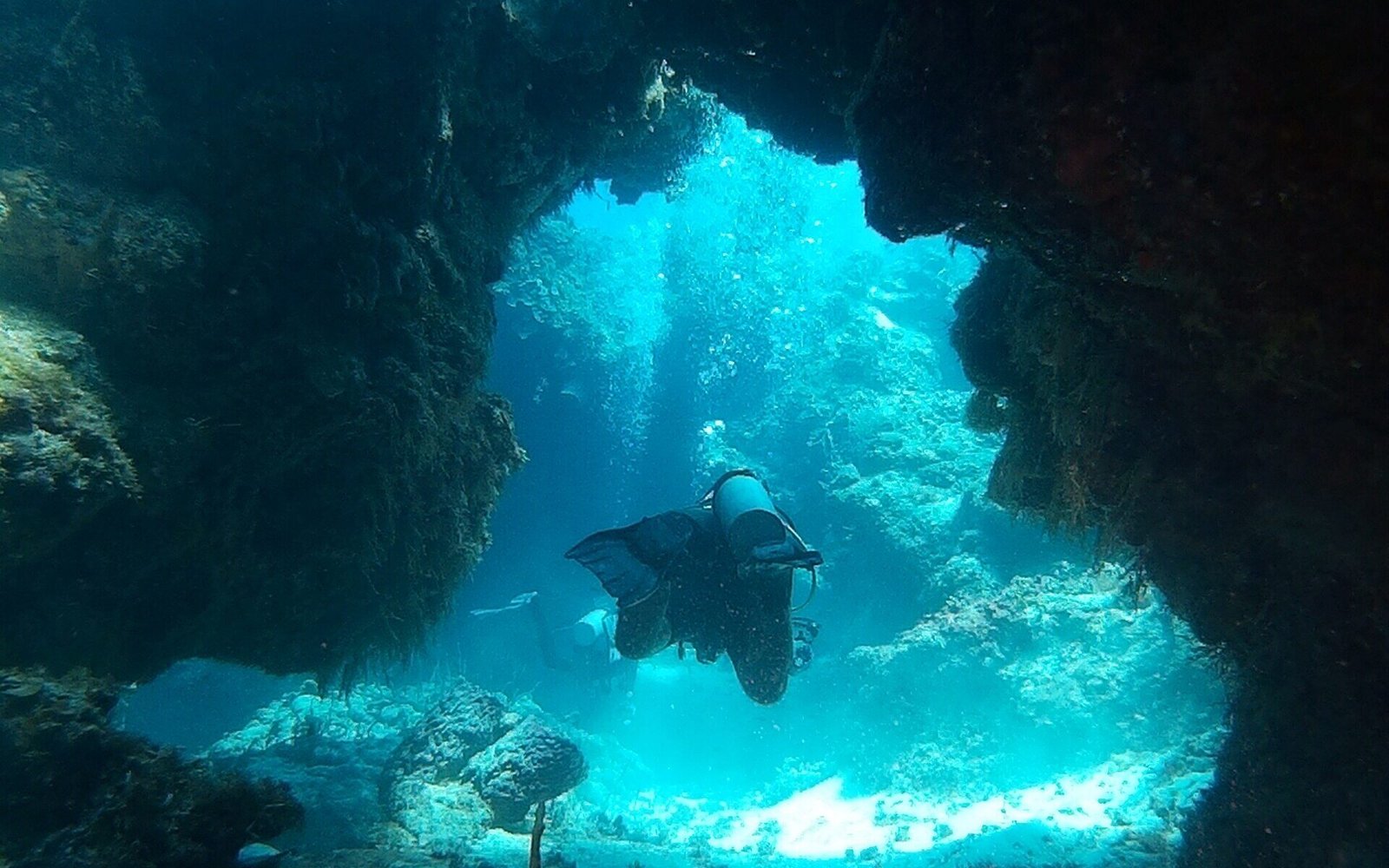
Cozumel became famous among divers in the early 1960s, after Jacques Cousteau praised its reefs. The jewel is Palancar, a long system of coral buttresses, caves and tunnels off the island’s south-west coast. A steady current runs along it, so divers simply drift past the coral, one of the most relaxing ways to dive anywhere.
Why it’s special
Palancar is part of the Mesoamerican Reef, the largest reef system in the Atlantic. Its giant coral heads rise from the sand like castles, cut through by channels and arches. The reefs south of San Miguel became the Cozumel Reefs National Park in 1996, with moorings and limits on visitor numbers.
Cozumel’s reefs have faced serious challenges: Hurricane Wilma damaged them in 2005, stony coral tissue loss disease spread through the Mexican Caribbean from 2018, and recent marine heatwaves have caused bleaching. Restoration projects are now under way around the island.
What you’ll see
- Palancar Gardens, Horseshoe and Caves: towering coral formations and swim-throughs.
- Turtles and eagle rays: both are common sightings.
- Splendid toadfish: a colourful fish found almost only around Cozumel.
- El Cielo: a shallow sandbank nearby, famous for starfish, and a popular stop on snorkel trips.
When to go
The dry season, from December to April, has the calmest weather. Hurricane season runs from June to November, with the highest risk from August to October. Water temperatures range from about 26°C to 29°C.
How to get there
Cozumel has its own international airport, and frequent ferries cross from Playa del Carmen in about 45 minutes. Dive and snorkel boats leave from the town’s piers. Snorkellers can join tours that combine Palancar’s shallower sections with El Cielo.
Snorkelling or diving?
Cozumel is known as a drift-diving destination. Boats drop divers at the start of the reef, the current carries them along, and the boat picks them up at the end. It is gentle enough for newly qualified divers on most days, though currents can sometimes be strong. Snorkellers can join boat trips that combine shallower reefs near Palancar with the starfish shallows of El Cielo, or swim from beach clubs on the west coast, such as Playa Palancar and the reefs near Chankanaab park.
Know before you go
- Cruise ships: Cozumel is a major cruise port, and some sites get busy on cruise days; book with dive shops that limit group sizes.
- Park fees: a daily marine park wristband is required for diving and snorkelling in the national park.
- Sunscreen: only biodegradable sunscreen is allowed in Mexican marine parks.
- Water temperature: 26–29°C.
- Combine with: the cenotes of the Riviera Maya, a short ferry ride away.
Protecting the reef
Pay the national park fee, use biodegradable sunscreen (it’s required in Mexican marine parks) and never touch the coral, especially in the current.
Book a trip
Compare snorkel trips, dive days and tours for this area on our partner GetYourGuide, with reviews from other travellers and free cancellation on many trips. For the full list, see the world’s top 20 coral reefs, or read about coral bleaching and the future of reefs.
Questions people ask
Can you snorkel Palancar Reef?
Yes, on boat tours to its shallower sections, though the best parts are deeper and suit divers.
What is a drift dive?
A dive where you let the current carry you along the reef while the boat follows your bubbles.
Some links on this page earn us a commission at no extra cost to you. How this site makes money