Part 3 of 20
Vatu-i-Ra, Fiji: the soft coral capital of the world
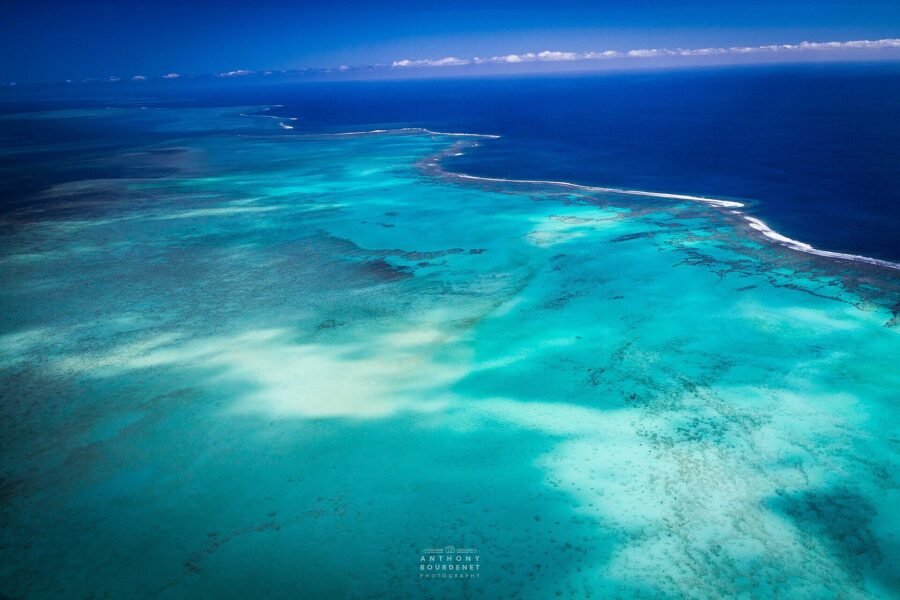
In Fiji’s Bligh Water, strong currents feed walls of soft coral in every colour. The Vatu-i-Ra seascape is one of the most spectacular reef areas in the South Pacific.
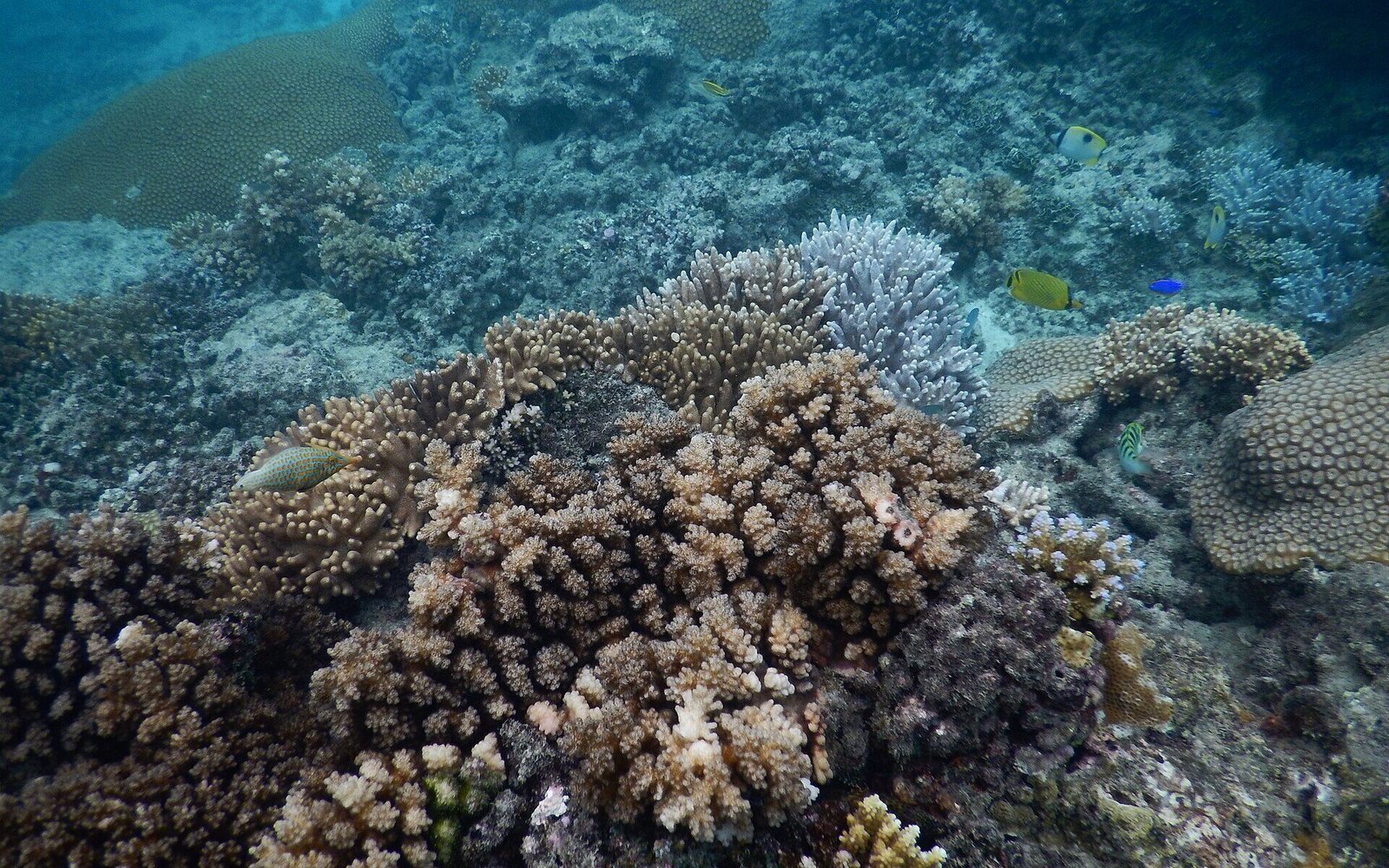
Fiji calls itself the soft coral capital of the world, and Bligh Water is the reason. This channel between Fiji’s two largest islands funnels powerful tidal currents past submerged pinnacles and reefs, carrying the plankton that soft corals feed on. When the current runs, the corals inflate into bushes of pink, purple, orange and yellow. At the centre of it all is Vatu-i-Ra, a tiny, rocky island that gives its name to the surrounding seascape.
Why it’s special
The reefs around Vatu-i-Ra have some of the healthiest coral and fish populations in Fiji. Local communities, working with conservation groups, set aside the area around the island as the Vatu-i-Ra Conservation Park, where fishing is not allowed. The island itself is an important nesting site for seabirds, and the surrounding waters are visited by sharks, turtles, dolphins and, in season, humpback whales.
Fiji’s reefs have had hard knocks. Cyclone Winston in 2016 damaged reefs across the north, and recent marine heatwaves have caused bleaching. But the strong currents and protection in Bligh Water have helped many sites stay in good condition.
What you’ll see
- E6 and Mount Mutiny: famous pinnacles rising from deep water, draped in soft corals and sea fans.
- Schooling fish: anthias, fusiliers, barracuda and trevally in the currents.
- Reef sharks: grey reef and whitetip sharks are common.
- Small wonders: leaf scorpionfish, ribbon eels and nudibranchs for macro fans.
When to go
The dry season, from May to October, brings the clearest water and the most comfortable conditions. The wet season, roughly November to April, is warmer but brings more rain and the risk of cyclones. Water temperatures range from about 24°C in winter to 29°C in summer.
How to get there
Fly to Nadi, then drive about two and a half hours to the resorts around Rakiraki on the north coast of Viti Levu, which run day boats into Bligh Water. Liveaboards also run multi-day trips across the area. The pinnacles are best suited to experienced divers comfortable in currents; snorkellers will find calmer reefs near the resorts.
Snorkelling or diving?
Bligh Water is primarily a diving destination. The pinnacles rise from deep water, and the soft corals are at their best when the current is running, which means planning dives around the tides. Experienced divers will find some of the most colourful walls in the Pacific. Snorkellers should base themselves at a resort with a good house reef or join boat trips to sheltered sites closer to shore, where hard corals, reef fish and turtles are easy to see.
Know before you go
- Conditions: trade winds can make Bligh Water choppy; calmer days are common from October to December.
- Village etiquette: many reefs belong to local communities. If you visit a village, dress modestly and follow your guide’s lead; a gift of kava (sevusevu) is customary.
- Reef levies: some areas charge a small levy that goes to the community that manages the reef.
- Water temperature: 24–29°C; a 3–5 mm wetsuit suits most people.
- Elsewhere in Fiji: the Somosomo Strait off Taveuni (the Rainbow Reef) and Beqa Lagoon near Suva are other famous dive areas.
Protecting the reef
Respect the no-take rules in the conservation park, don’t touch soft corals (they’re delicate), and pay any local reef levies, which go to the communities that manage the area.
Book a trip
Compare snorkel trips, dive days and tours for this area on our partner GetYourGuide, with reviews from other travellers and free cancellation on many trips. For the full list, see the world’s top 20 coral reefs, or read about coral bleaching and the future of reefs.
Questions people ask
Why is Fiji called the soft coral capital of the world?
Strong currents in channels such as Bligh Water and the Somosomo Strait carry plankton that feeds vast growths of soft coral.
Is Vatu-i-Ra good for beginners?
The main pinnacles have strong currents and suit experienced divers. Beginners and snorkellers should choose sheltered reefs near the resorts.
Some links on this page earn us a commission at no extra cost to you. How this site makes money