Part 5 of 20
Rangiroa, French Polynesia: sharks, dolphins and a giant lagoon
Rangiroa’s lagoon is so big you can’t see across it. Twice a day the tide pours through its passes, bringing sharks, dolphins and manta rays with it.
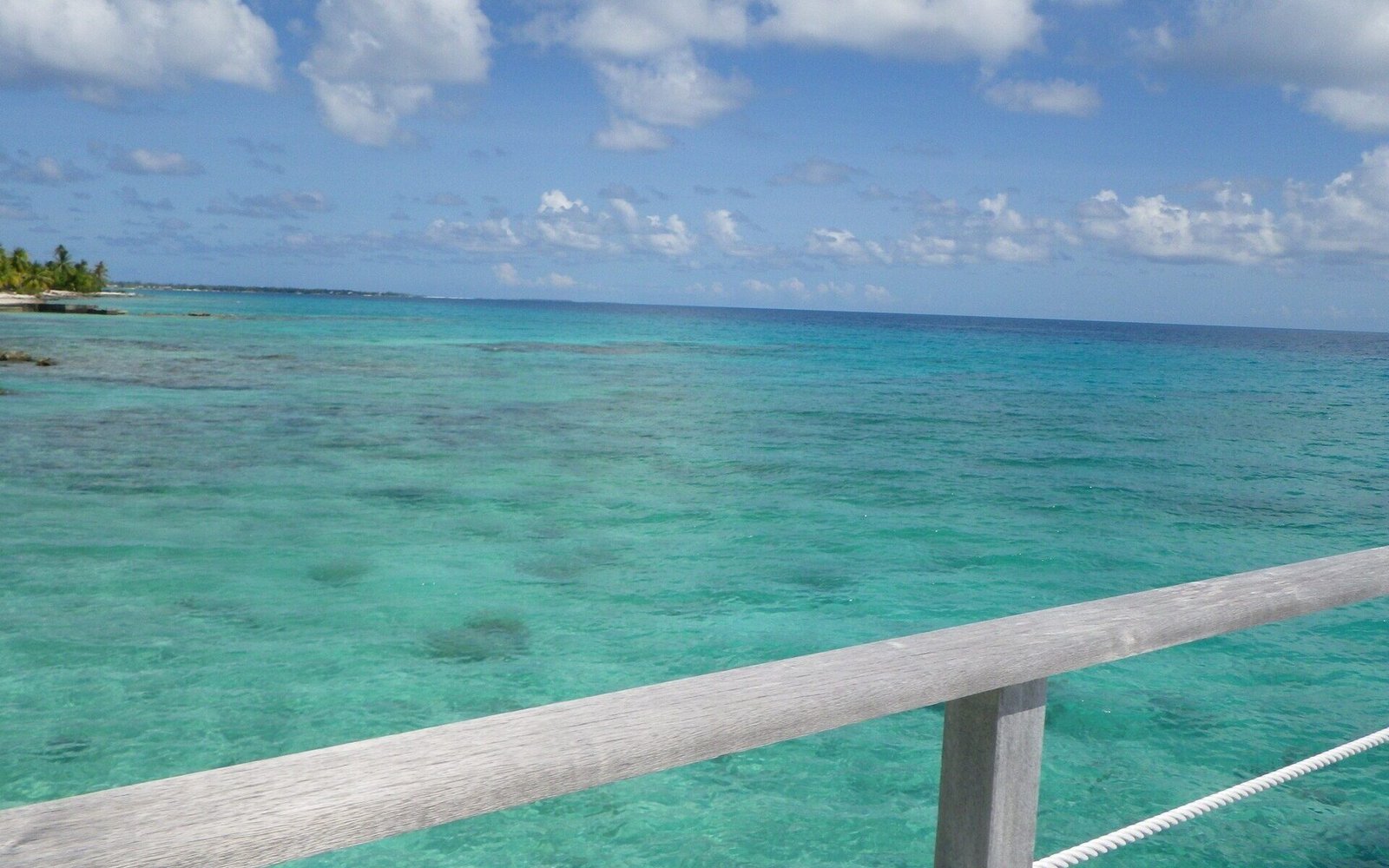
Rangiroa is the largest atoll in French Polynesia and one of the largest in the world: a thin ring of reef and some 415 small islands around a lagoon of 1,446 km². Its name means “vast sky”. For divers, the magic happens in the passes, the narrow channels where the ocean flows in and out of the lagoon with the tide.
Why it’s special
When the tide comes in through Tiputa Pass, divers drift with it past the reef wall, and the ocean’s big animals gather to feed. Grey reef sharks can number in the hundreds at the mouth of the pass, and a resident group of bottlenose dolphins often plays in the waves and sometimes approaches divers. From December to March, great hammerheads arrive, and manta rays, eagle rays and turtles can turn up at any time.
What you’ll see
- Tiputa Pass: one of the world’s great drift dives, with sharks, dolphins and big schools of fish.
- The Aquarium: a shallow, sheltered reef inside the pass, perfect for snorkelling.
- The Blue Lagoon: a lagoon within the lagoon on the western rim, with shallow, startlingly blue water and baby blacktip sharks.
- The Pink Sands: beaches of pink-tinged sand on the far side of the atoll.
When to go
Rangiroa can be dived all year. Water temperatures range from about 26°C to 29°C. Hammerhead season runs from December to March, and the drier, cooler months from May to October bring settled weather.
How to get there
Air Tahiti flies to Rangiroa from Papeete, and some routes link it with Bora Bora and other Tuamotu atolls. Dive centres and guesthouses cluster near Tiputa Pass, so you can be in the water within minutes of breakfast. The pass dives are drift dives in strong current, so an advanced certification and experience help; the Aquarium and lagoon suit snorkellers and beginners.
Snorkelling or diving?
The famous pass dives are for divers with some experience: you enter outside the reef and ride the incoming current through the pass, which can be fast. Dive centres check your experience and may start you on easier dives. Snorkellers have plenty of options too: boat trips drop you in Tiputa Pass to drift with the current over the Aquarium, where the water is shallow and the fish are used to people, and trips to the Blue Lagoon combine snorkelling with a picnic on a motu.
Know before you go
- Cost: French Polynesia is expensive; family-run guesthouses (pensions) are the best value.
- Currency: the CFP franc; cards are accepted at most dive centres and hotels.
- Tides: pass dives are timed for the incoming tide, so your schedule depends on the tide tables.
- Water temperature: 26–29°C.
- Combine with: Tikehau, the neighbouring atoll, and Fakarava, famous for its shark-filled south pass.
Protecting the reef
Don’t chase dolphins or sharks, let them come to you, and follow your guide’s lead in the current. French Polynesia is a shark sanctuary, and shark fishing is banned.
Book a trip
Compare snorkel trips, dive days and tours for this area on our partner GetYourGuide, with reviews from other travellers and free cancellation on many trips. For the full list, see the world’s top 20 coral reefs, or read about coral bleaching and the future of reefs.
Questions people ask
Can you see dolphins in Rangiroa?
Often. A resident group of bottlenose dolphins is regularly seen in Tiputa Pass.
Is Rangiroa good for snorkelling?
Yes. The Aquarium near Tiputa Pass and the Blue Lagoon are excellent, and boat trips take snorkellers to watch dolphins in the pass.
Some links on this page earn us a commission at no extra cost to you. How this site makes money