Part 17 of 20
The Andros Barrier Reef, Bahamas: blue holes and the Tongue of the Ocean
Running for some 225 km along the edge of a 2,000-metre-deep trench, the Andros Barrier Reef is one of the longest barrier reefs in the world, and one of the least crowded.
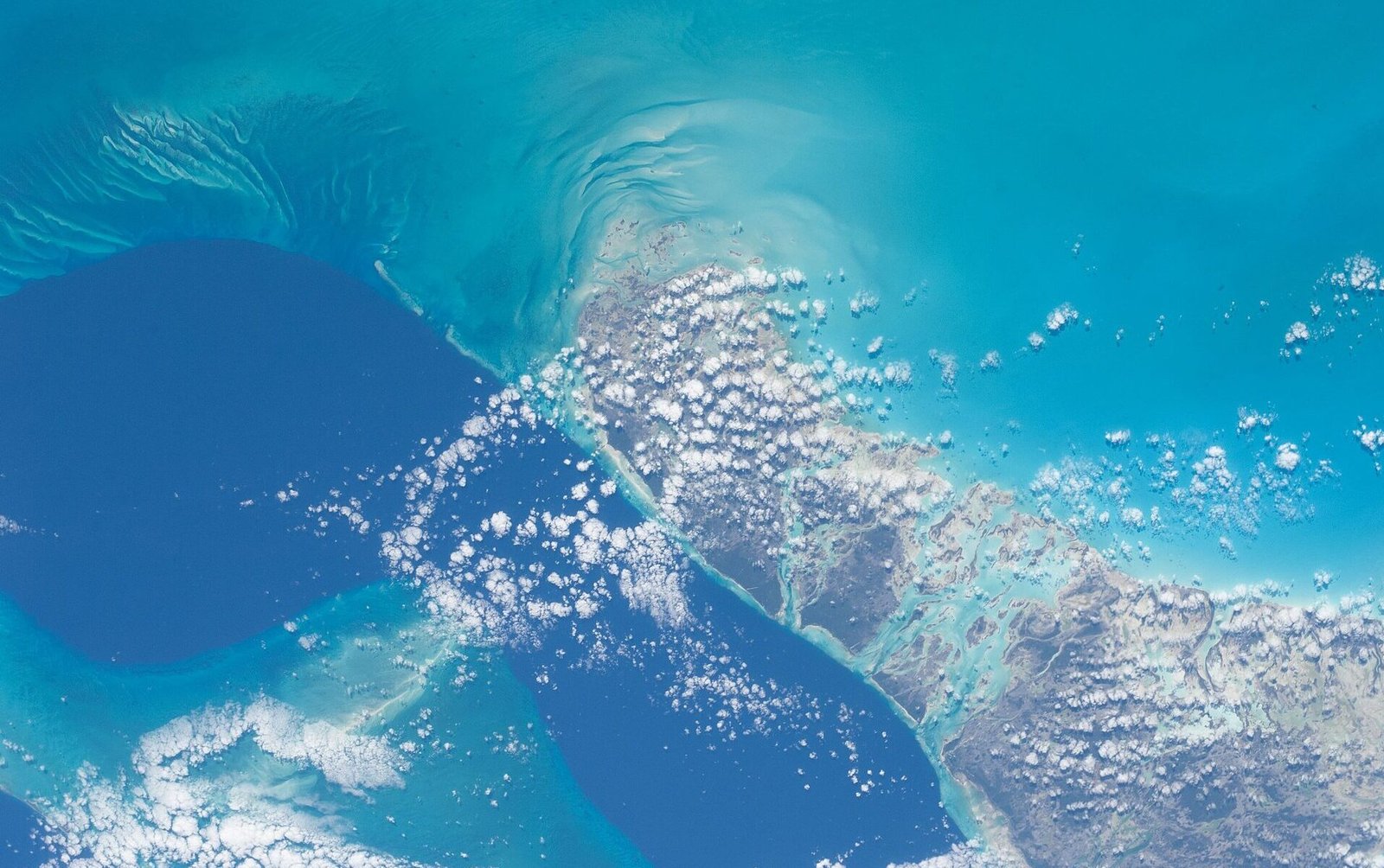
Andros is the largest island in the Bahamas, yet one of the least visited. Along its east coast runs a barrier reef about 225 km long, one of the longest in the world. Just beyond it, the seabed plunges into the Tongue of the Ocean, a trench about 2,000 metres deep.
Why it’s special
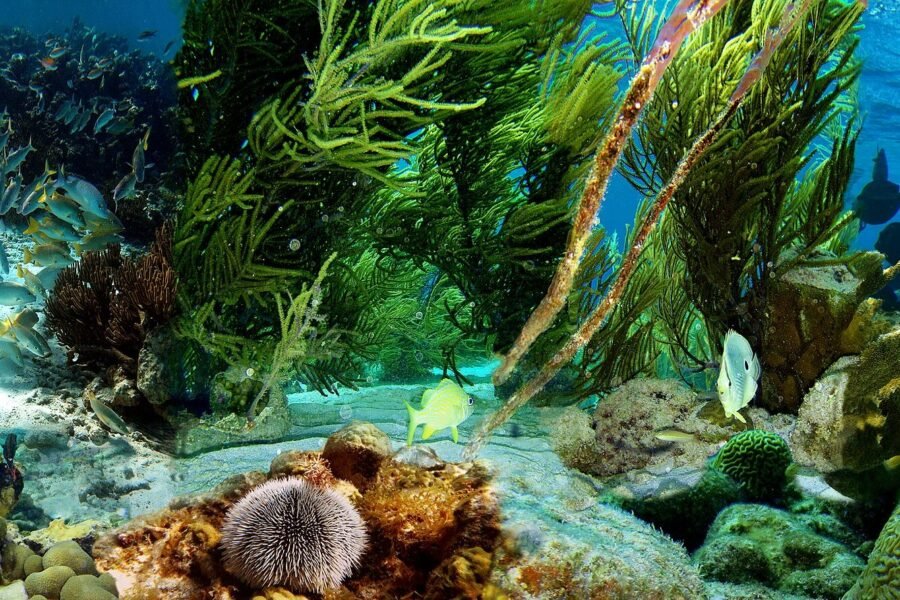
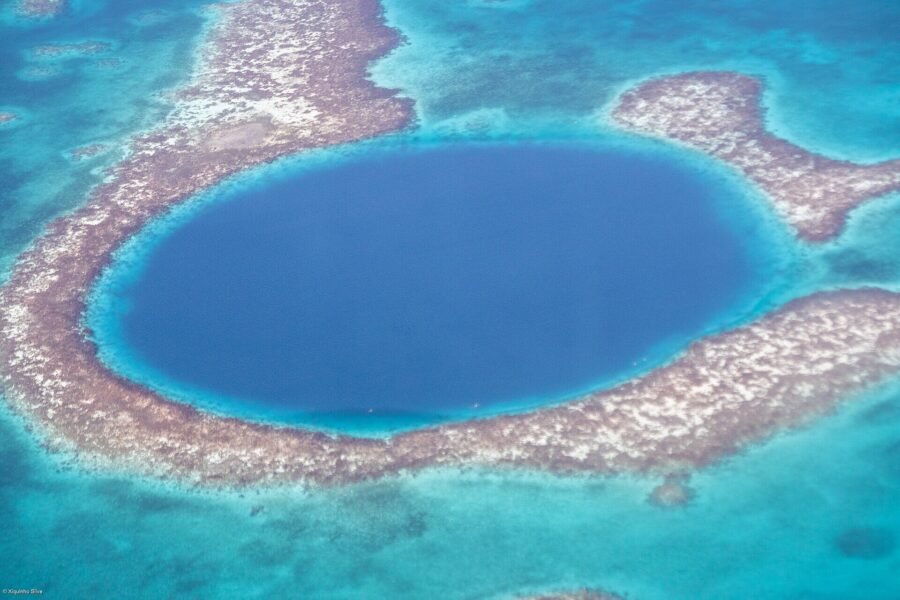
The Andros reef combines three experiences in one place. In the shallows are coral gardens of elkhorn and brain coral. At the drop-off, the famous Andros Wall falls away into the deep blue. And all over the island are blue holes, flooded sinkholes and cave entrances. Andros has the world’s largest collection, with about 178 inland and at least 50 in the sea. Central Andros National Park, created in 2002, protects some of them, along with reef and wetlands.
What you’ll see
- The Andros Wall: a vertical drop with sponges, black coral and passing sharks and turtles.
- Ocean blue holes: openings in the seabed where currents pour in and out with the tide.
- Elkhorn and staghorn coral in the shallows, both now rare in the Caribbean.
- Bonefish: the shallow flats on the west side are famous among anglers.
When to go
November to May is drier and calmer. Hurricane season runs from June to November. Water temperatures range from about 24°C to 29°C.
How to get there
Flights from Nassau take 15–25 minutes and serve four airports on the island, and there are charter flights from Florida. A ferry also links Nassau with the north and centre of Andros. Small Hope Bay Lodge, near Fresh Creek, has run dive trips on the reef since 1960.
Snorkelling or diving?
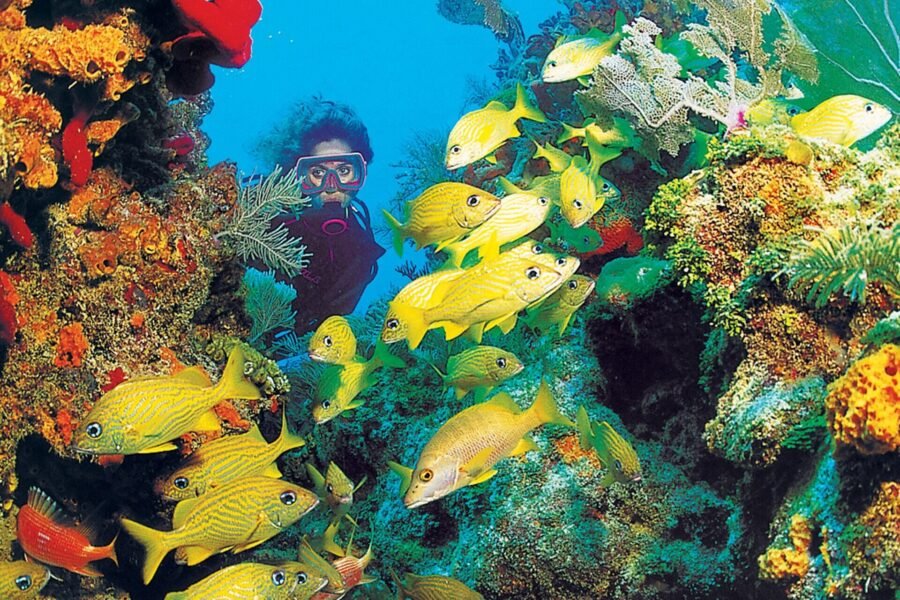
Snorkellers can explore shallow patch reefs and coral gardens inside the barrier reef, often just a short boat ride from shore. Divers come for the wall, where the reef drops into the Tongue of the Ocean, and for ocean blue holes, which should only be dived with experienced local guides because of the strong currents at their mouths. Inland blue holes are for swimming and looking, not diving; cave diving there is a specialist activity.
Know before you go
- Remote and relaxed: Andros has few large hotels; most accommodation is in small lodges.
- Getting around: the island is large and split by channels, so stay near the reef you want to dive.
- Currency: the Bahamian dollar, equal to the US dollar, which is widely accepted.
- Water temperature: 24–29°C.
- Insects: bring repellent; mosquitoes and sandflies can be fierce.
Protecting the reef
Like much of the Caribbean, Andros has been affected by coral disease and bleaching. Choose operators that use moorings, and never touch fragile elkhorn and staghorn corals.
Book a trip
Compare snorkel trips, dive days and tours for this area on our partner GetYourGuide, with reviews from other travellers and free cancellation on many trips. For the full list, see the world’s top 20 coral reefs, or read about coral bleaching and the future of reefs.
Questions people ask
What is the Tongue of the Ocean?
A deep trench, about 2,000 metres deep, between Andros and New Providence (Nassau).
What is a blue hole?
A water-filled sinkhole or cave entrance. Andros has the world’s largest collection, both on land and in the sea.
Some links on this page earn us a commission at no extra cost to you. How this site makes money