Part 16 of 20
New Caledonia: the world’s longest continuous barrier reef
About 1,500 km long and enclosing a 24,000 km² lagoon, New Caledonia’s barrier reef is a World Heritage Site with dugongs, turtles and some of the Pacific’s richest reefs.
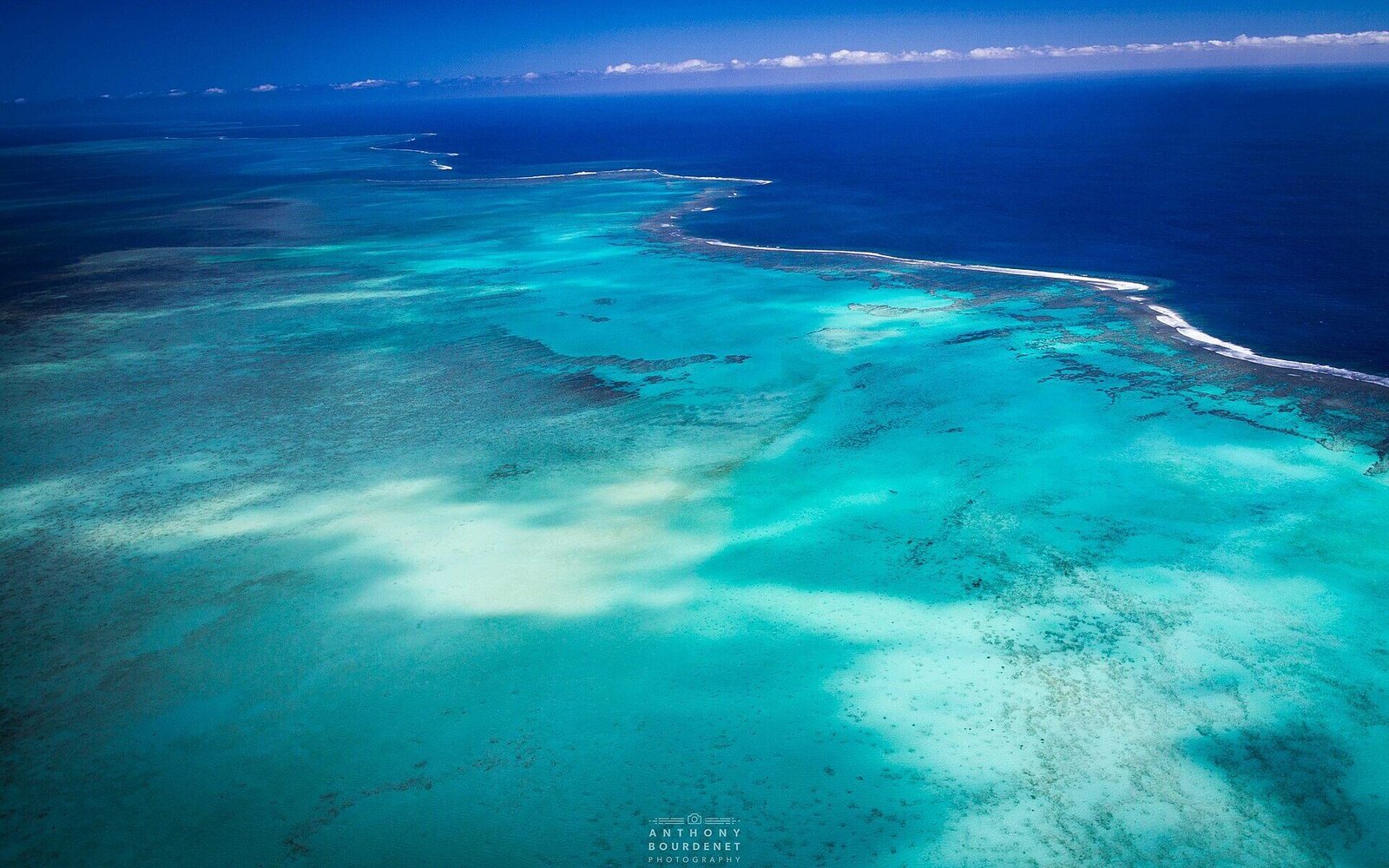
New Caledonia, a French territory in the south-west Pacific, is wrapped in one of the great reef systems of the world. Its barrier reef runs for some 1,500 km around the main island of Grande Terre, enclosing a lagoon of about 24,000 km², one of the largest on the planet.
Why it’s special
In 2008 six areas of the reef and lagoon were inscribed as a UNESCO World Heritage Site, The Lagoons of New Caledonia: Reef Diversity and Associated Ecosystems. More than 2,300 species of fish have been recorded, and the lagoons support the world’s third-largest population of dugongs, as well as nesting green and loggerhead turtles. In 2014 New Caledonia also created the Natural Park of the Coral Sea, covering its entire economic zone.
Where to go
- Amédée Island: a day trip from Nouméa, with a lighthouse, turtles and good snorkelling.
- The Isle of Pines: sheltered bays such as the natural pool at Oro Bay.
- Ouvéa: in the Loyalty Islands, with a 25 km beach and turquoise lagoon.
- The Bourail area: on the west coast, with the Roche Percée and reefs reached from the beach.
- The South Lagoon and Prony Bay: humpback whales visit from about July to September.
When to go
The best months are September to December, when it is warm and relatively dry. The cyclone season runs from about January to March. Water temperatures range from about 22°C in winter to 28°C in summer.
How to get there
Nouméa’s La Tontouta airport has flights from Sydney, Brisbane, Auckland and Tokyo, with connections from Europe via Asia. Domestic flights and ferries link the islands. New Caledonia saw serious unrest in 2024, so check your government’s travel advice before booking.
Snorkelling or diving?
New Caledonia suits both. The southern lagoon has easy snorkelling around small islands and reef flats, and Amédée Island and the Isle of Pines are particularly good for spotting turtles, rays and reef fish close to shore. Divers can explore the passes in the barrier reef, where currents bring sharks, rays and big schools of fish, and the Loyalty Islands offer clear water and caves. A few sites in the passes require experience in currents.
Know before you go
- Currency: the CFP franc.
- Language: French is the official language; English is spoken in tourist areas.
- Customary land: many areas belong to Kanak communities; ask before visiting tribal land and beaches.
- Water temperature: 22–28°C.
- Travel advice: check the latest advice before booking, as the situation has changed since 2024.
Protecting the reef
Many areas are reserves where fishing and collecting are banned. Keep your distance from turtles and dugongs and follow local guides’ advice.
Book a trip
Compare snorkel trips, dive days and tours for this area on our partner GetYourGuide, with reviews from other travellers and free cancellation on many trips. For the full list, see the world’s top 20 coral reefs, or read about coral bleaching and the future of reefs.
Questions people ask
Is New Caledonia’s reef bigger than the Great Barrier Reef?
No. The Great Barrier Reef is far larger overall, but New Caledonia’s is often described as the longest continuous barrier reef.
Can you see dugongs in New Caledonia?
Yes, although they are shy. The lagoons have one of the world’s largest dugong populations.
Some links on this page earn us a commission at no extra cost to you. How this site makes money