Part 13 of 20
Apo Reef, Philippines: the country’s largest coral reef
Covering 34 km² in the Mindoro Strait, Apo Reef is the largest coral reef in the Philippines and one of the largest continuous reefs in the world.
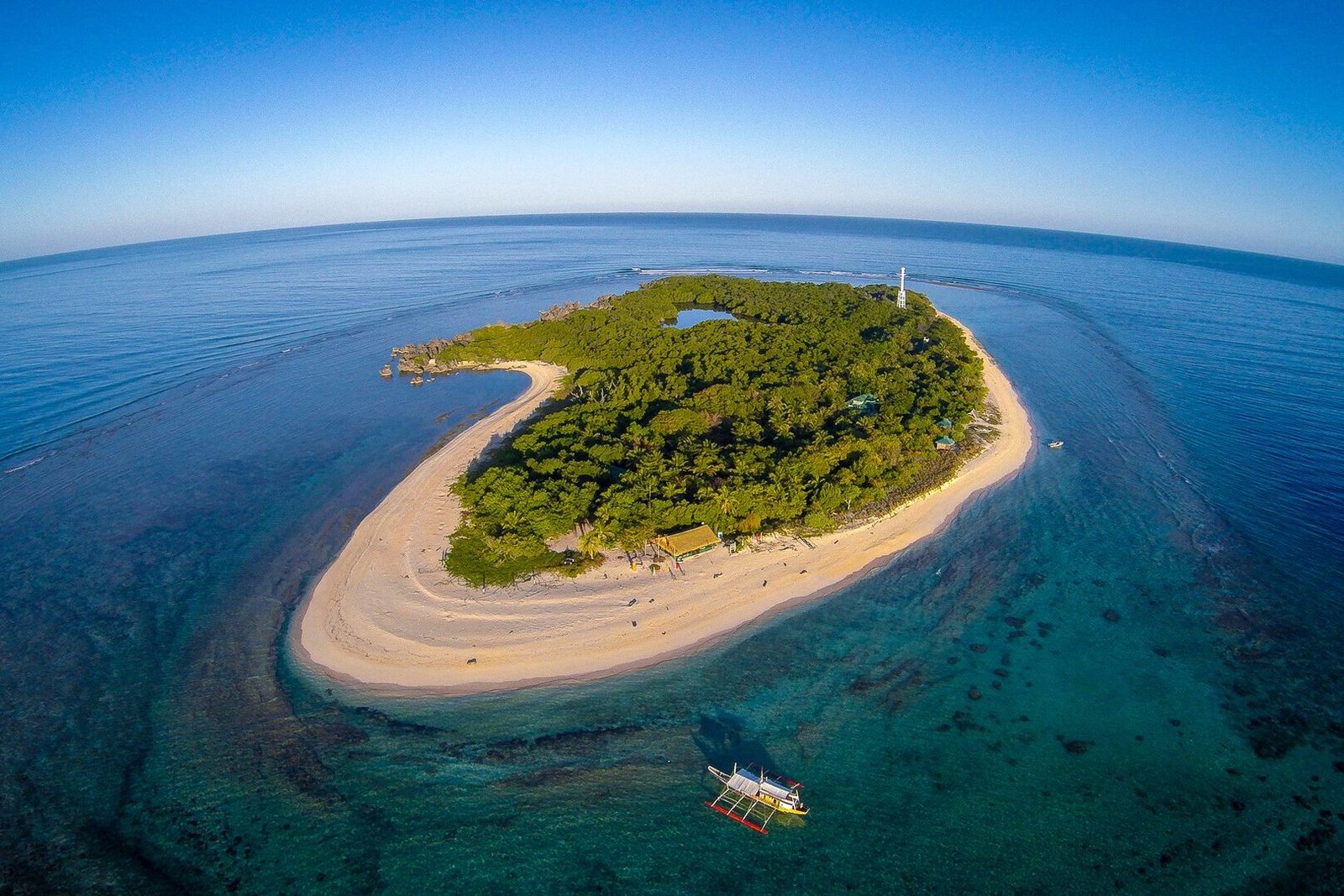
Apo Reef lies in the Mindoro Strait, a channel between Mindoro and Palawan swept by currents. Covering about 34 km², it is the largest coral reef system in the Philippines and is often described as the second-largest continuous reef in the world. Remote and strictly protected, it has some of the country’s best big-fish diving.
Why it’s special
The reef was overfished and dynamited in the 1980s and 1990s, but protection has allowed it to recover. It became a protected natural park in 1996, and in 2018 it was declared a national park by law. Today it is managed with a ranger station on Apo Island, the largest of its three small islands, and fishing is banned.
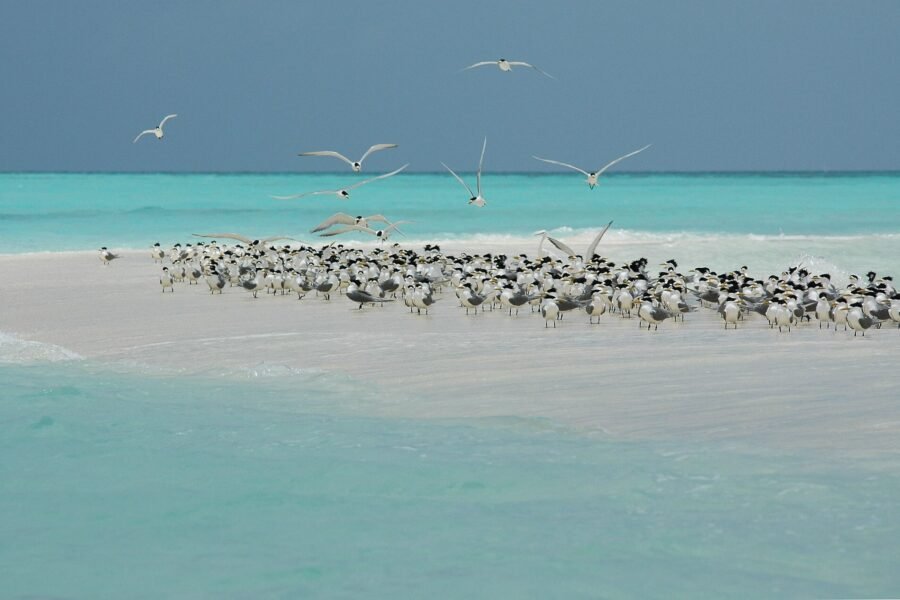
The reef has two lagoons and steep outer walls. More than 10,000 pairs of seabirds have been recorded nesting on its islands.
What you’ll see
- Sharks: whitetip and blacktip reef sharks, and sometimes hammerheads and thresher sharks.
- Manta rays and turtles along the walls.
- Big fish: barracuda, jacks, tuna and Napoleon wrasse.
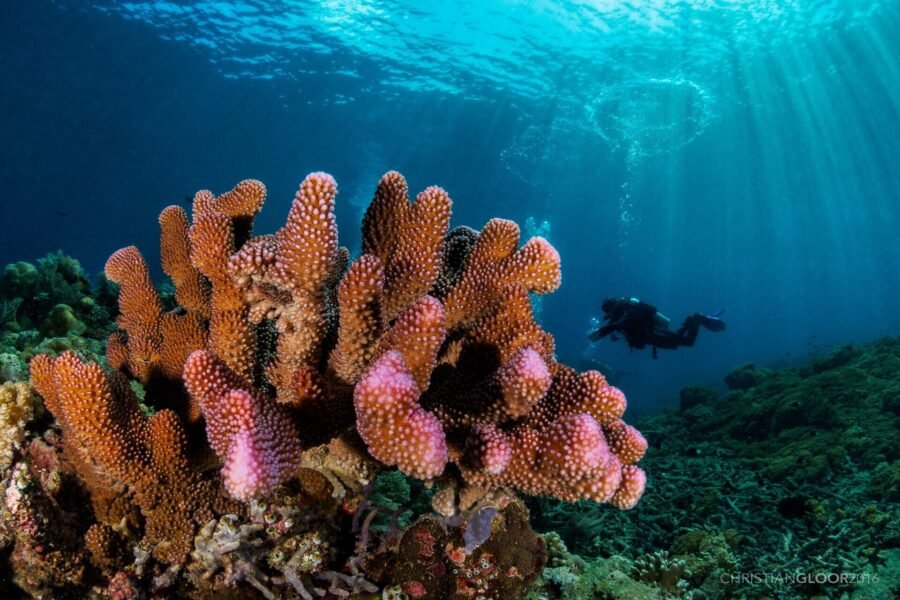
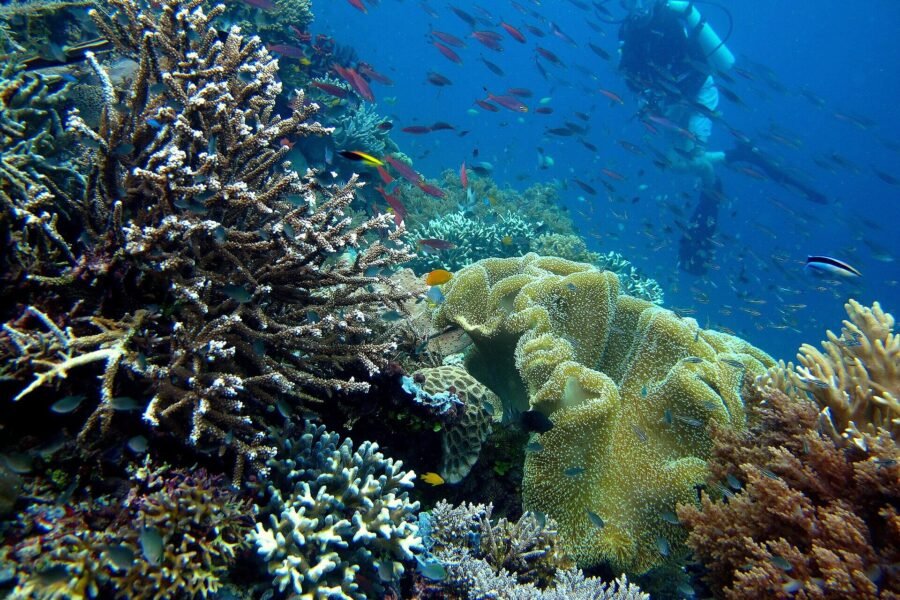
- Hard and soft coral gardens in the shallows, good for snorkelling.
When to go
The reef is usually accessible from November to May, with the calmest seas from about February to May. The south-west monsoon, from June to October, brings rough seas and boat trips are often cancelled.
How to get there
Fly to San Jose in Occidental Mindoro, or take a boat from Batangas, then travel to Sablayan. From Sablayan, park-registered boats take about two and a half hours to reach the reef. Trips must be arranged through the local eco-tourism office or an accredited operator, and you pay a park fee. Some liveaboards from Puerto Galera and Coron also include Apo Reef.
Snorkelling or diving?
Apo Reef is best known for diving along its outer walls, where sharks, turtles and big schools of fish are common, and for the deep drop-offs around Apo Island. The reef flats and lagoon are shallow enough for snorkelling on calm days, with coral gardens and reef fish close to the surface. Because it is remote and exposed, conditions vary, and day trips may be cancelled when the sea is rough.
Know before you go
- Book through accredited operators: boats must be registered with the park.
- Park fees: paid in Sablayan or to your operator.
- Facilities: very basic on the island, so bring water, food and sun protection.
- Long day: allow a full day, including around five hours of boat travel.
- Water temperature: 26–30°C.
Protecting the reef
Follow the rangers’ rules, don’t take anything from the reef or islands, and use only accredited boats.
Book a trip
Compare snorkel trips, dive days and tours for this area on our partner GetYourGuide, with reviews from other travellers and free cancellation on many trips. For the full list, see the world’s top 20 coral reefs, or read about coral bleaching and the future of reefs.
Questions people ask
Is Apo Reef the second-largest reef in the world?
It is often described as the world’s second-largest contiguous coral reef system and is the largest in the Philippines.
Can you stay overnight at Apo Reef?
Facilities are basic. Most visitors make a long day trip or join a liveaboard.
Some links on this page earn us a commission at no extra cost to you. How this site makes money