Part 12 of 20
Florida’s Coral Reef: America’s only barrier reef
Florida’s Coral Reef runs for about 350 miles from the Dry Tortugas to Martin County. It’s under pressure, but snorkelling the Keys is still one of America’s great days out.
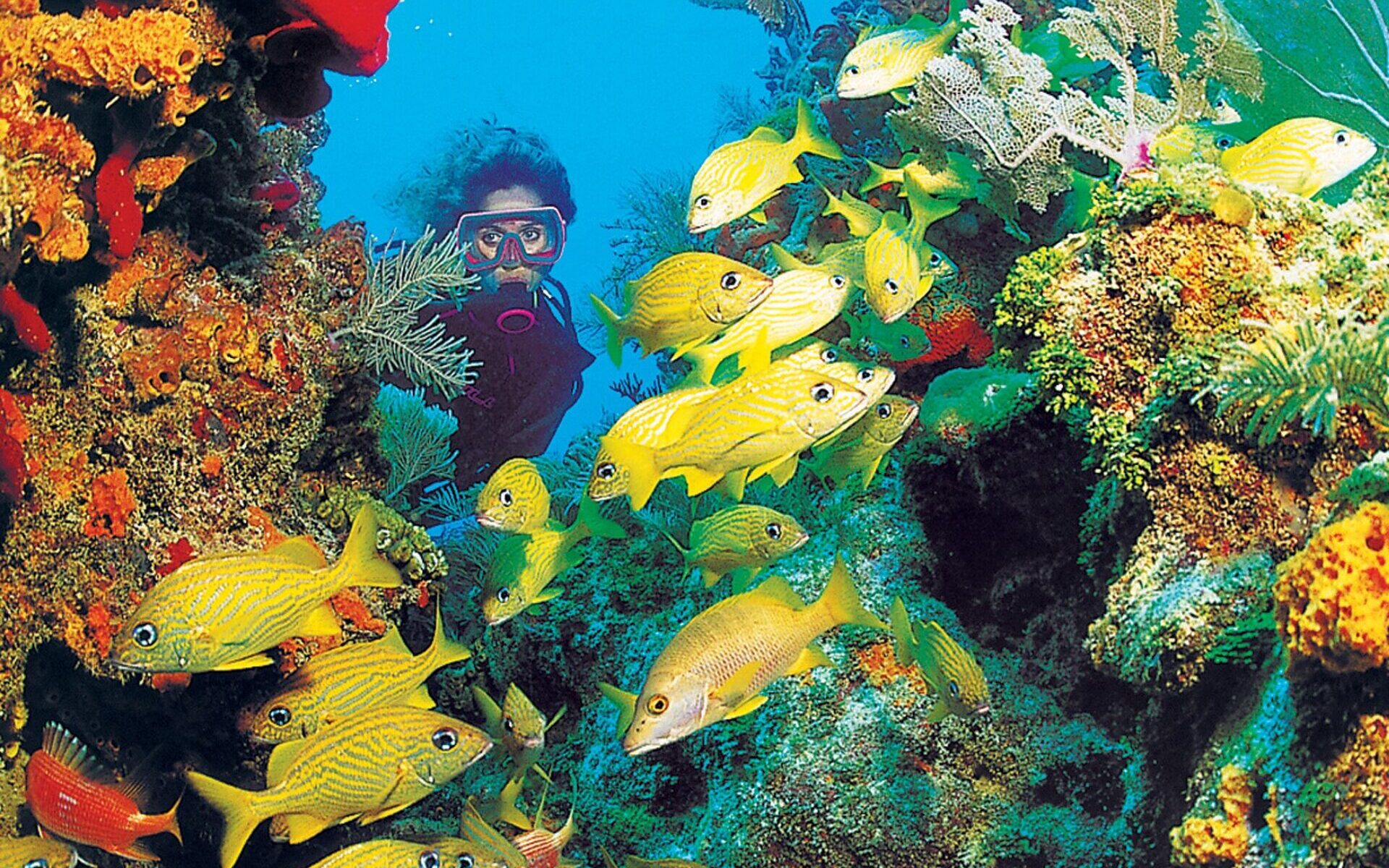
Florida’s Coral Reef is the only coral barrier reef in the continental United States, running for about 350 miles from the Dry Tortugas, past the Florida Keys, and up the south-east coast. It’s also the most accessible reef in the country: from Key Largo to Key West, snorkel boats leave every morning for reefs a few miles offshore.
How the reef is doing
Florida’s reef has suffered badly. Coral cover fell sharply from the 1970s onwards, stony coral tissue loss disease has spread through it since 2014, and in the summer of 2023 a record marine heatwave pushed water temperatures above 32°C, causing severe bleaching and coral deaths. In response, NOAA and partners launched Mission: Iconic Reefs, one of the world’s largest reef restoration projects, which is replanting nursery-grown corals on seven key reefs.
Where to go
- John Pennekamp Coral Reef State Park, Key Largo: America’s first undersea park (1963), with glass-bottom boats and snorkel trips. Nearby is the Christ of the Abyss statue on Key Largo Dry Rocks.
- Molasses Reef: one of the most popular dive and snorkel reefs off Key Largo.
- Looe Key: a spur-and-groove reef in the Lower Keys, with rich fish life.
- Dry Tortugas National Park: 70 miles west of Key West, with Fort Jefferson, clear water and healthy coral.
- Wrecks: artificial reefs such as the USS Spiegel Grove off Key Largo and the Vandenberg off Key West.
What you’ll see
Parrotfish, angelfish, grunts and snapper are everywhere. Loggerhead and green turtles nest on Florida’s beaches and feed on the reef, and you may see nurse sharks, eagle rays and, in winter, manatees in the warmer waters of the Keys’ canals.
When to go
You can snorkel all year. Late spring (April to June) usually brings the calmest seas. Hurricane season runs from June to November. Winter water can drop to about 22°C.
How to visit responsibly
Use mooring buoys, never stand on the reef, and choose sunscreen without oxybenzone and octinoxate. Don’t touch or chase turtles.
Snorkelling or diving?
Florida’s reef is ideal for beginners. Most reefs lie 3 to 8 miles offshore in 3 to 10 metres of water, and snorkel trips run daily from Key Largo, Islamorada, Marathon, Big Pine Key and Key West. Divers have the added appeal of large artificial reefs: the USS Spiegel Grove off Key Largo and the Vandenberg off Key West are among the biggest ships ever deliberately sunk as reefs. For a special trip, take the ferry or seaplane to Dry Tortugas National Park, where you can snorkel from the beach beside Fort Jefferson.
Know before you go
- Weather: wind decides everything; trips are often cancelled on breezy days, so leave some flexibility.
- Sanctuary rules: some areas are no-take zones; fishing and collecting are banned there.
- Dry Tortugas: ferry tickets sell out, so book well ahead, and bring everything you need; there are no shops.
- Water temperature: about 22°C in winter to 31°C in summer.
- Help restoration: some Keys organisations run volunteer dives in coral nurseries.
Book a trip
Compare snorkel trips, dive days and tours for this area on our partner GetYourGuide, with reviews from other travellers and free cancellation on many trips. For the full list, see the world’s top 20 coral reefs, or read about coral bleaching and the future of reefs.
Questions people ask
Where is the best snorkelling in the Florida Keys?
John Pennekamp State Park and Molasses Reef off Key Largo, Looe Key in the Lower Keys, and Dry Tortugas National Park.
Is Florida’s coral reef dying?
It has lost most of its coral since the 1970s and was badly hit in 2023, but large restoration projects are under way.
Some links on this page earn us a commission at no extra cost to you. How this site makes money