Part 4 of 20
Bonaire: the Caribbean’s easiest coral reef to explore
Bonaire protected its entire coastline in 1979. Today you can wade in from the shore at dozens of marked sites and be over healthy Caribbean reef within minutes.
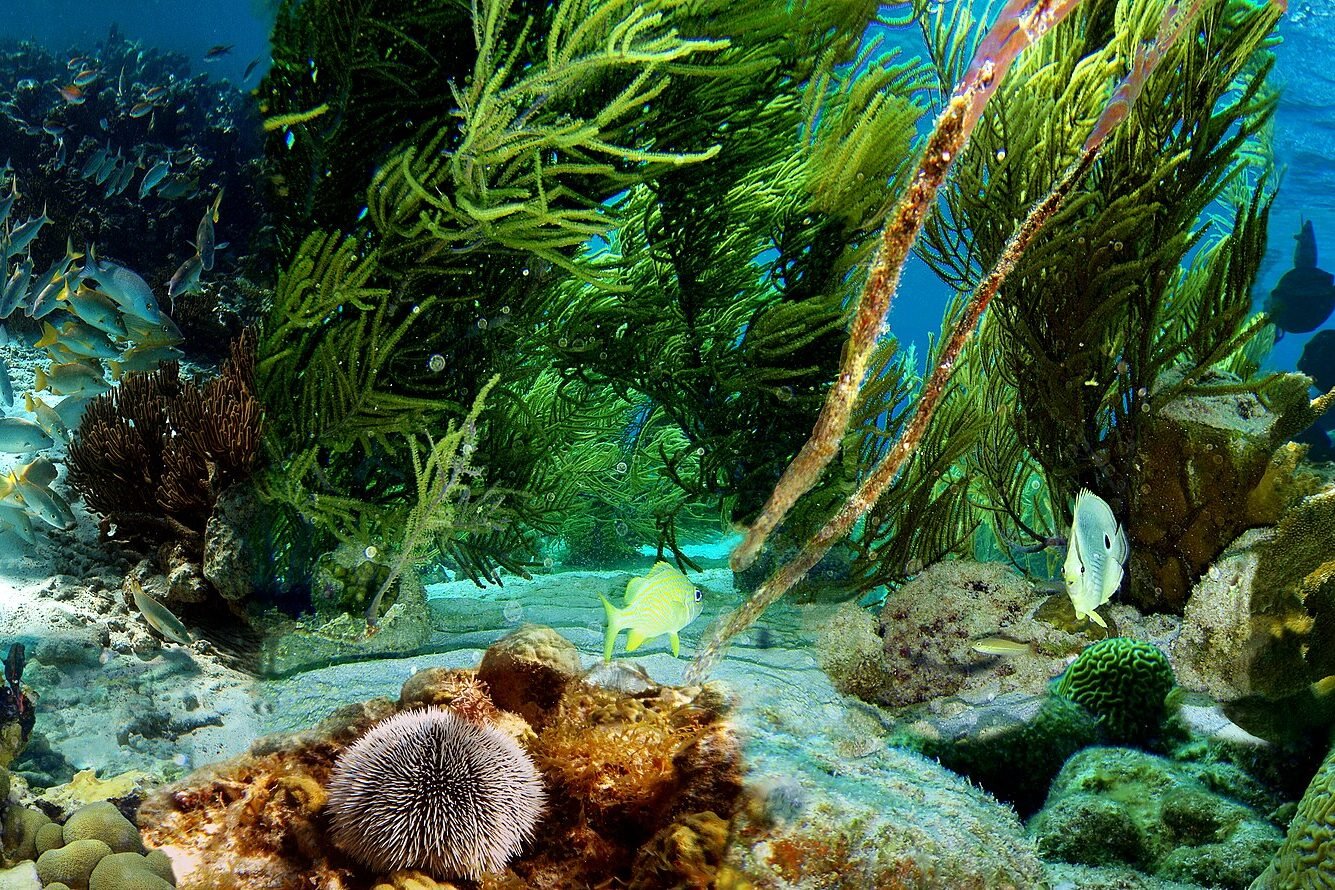
On most Caribbean islands you need a boat to reach the reef. On Bonaire you just walk in. A fringing reef runs right along the island’s sheltered west coast, often starting only a few metres from the shore, and the whole of it is a protected marine park. Car licence plates here read “Diver’s Paradise”, and with good reason.
Why it’s special
Bonaire was ahead of its time. In 1979 it created the Bonaire National Marine Park, protecting the waters all around the island and around little Klein Bonaire offshore, down to a depth of 60 metres. Spearfishing was banned, moorings replaced anchors, and every visitor now pays a Nature Fee that funds the park. The result is some of the healthiest reef in the Caribbean, with good fish life and extensive coral restoration projects.
What you’ll see
- Shore dive sites: dozens of sites marked by yellow-painted stones by the roadside. Park, gear up and walk in.
- Salt Pier and the Hilma Hooker wreck: two of the most famous dives on the island.
- Klein Bonaire: the small uninhabited island opposite Kralendijk, ringed by reef.
- Night dives: on calm nights you may see the glowing courtship displays of tiny ostracods, the “string of pearls”.
- Turtles, seahorses, frogfish and tarpon are all regular sightings.
When to go
Bonaire is good all year. It lies south of the main hurricane belt, the trade winds keep the west coast calm, and the water stays at around 26–29°C. Visibility is often excellent.
How to get there
There are direct flights from Amsterdam and from several US cities, plus short hops from Curaçao and Aruba. Most visitors rent a pickup truck to drive between shore sites, collecting tanks from their dive shop. Snorkellers need no boat at all.
Every diver, snorkeller and swimmer pays the Nature Fee of US$40 per person, valid for the calendar year. There is also a separate government visitor tax.
Snorkelling or diving?
Bonaire is excellent for both. Snorkellers can swim out from the beach at almost any marked site, and the reef top in 2–5 metres of water is often the most colourful part. Popular snorkel spots include 1000 Steps, Andrea I and II, Bachelor’s Beach and the reef around Klein Bonaire, reached by water taxi. For divers, the freedom of unlimited shore diving is the big draw: rent a truck, collect your tanks and dive when you like, day or night.
Know before you go
- Currency: the US dollar.
- Driving: lock nothing valuable in your truck at dive sites; leave windows down and the car empty.
- Orientation: every diver must attend a briefing and check-out dive before diving the marine park.
- Sunscreen: use reef-safe products, or better still a rash vest.
- Water temperature: 26–29°C year-round.
- Also on the island: flamingos at the salt pans and Washington Slagbaai National Park in the north.
Protecting the reef
Bonaire’s rules are strict: no touching coral, no gloves for recreational divers, no feeding fish and no anchoring. Every new diver must do an orientation check-out dive. Use reef-safe sunscreen.
Book a trip
Compare snorkel trips, dive days and tours for this area on our partner GetYourGuide, with reviews from other travellers and free cancellation on many trips. For the full list, see the world’s top 20 coral reefs, or read about coral bleaching and the future of reefs.
Questions people ask
Do you need a boat to dive Bonaire?
No. Most diving is from the shore at marked sites, though boats go to Klein Bonaire and the more remote sites.
How much is the Bonaire Nature Fee?
US$40 per person for the calendar year, for divers, snorkellers and swimmers alike.
Some links on this page earn us a commission at no extra cost to you. How this site makes money