Part 2 of 20
Lord Howe Island, Australia: the world’s southernmost coral reef
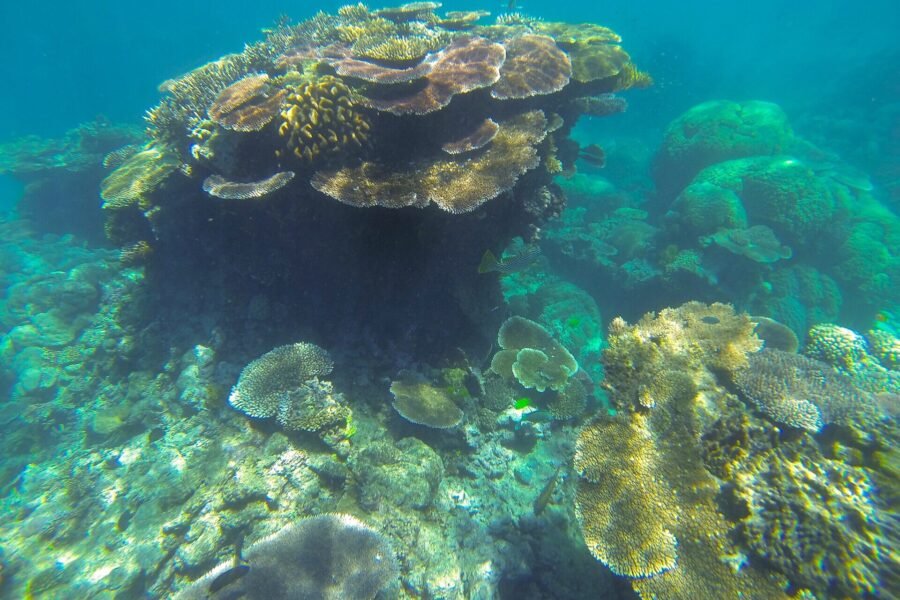
Only 400 visitors are allowed on Lord Howe at once, and its lagoon shelters the most southerly barrier reef on Earth, where tropical and temperate sea life meet.
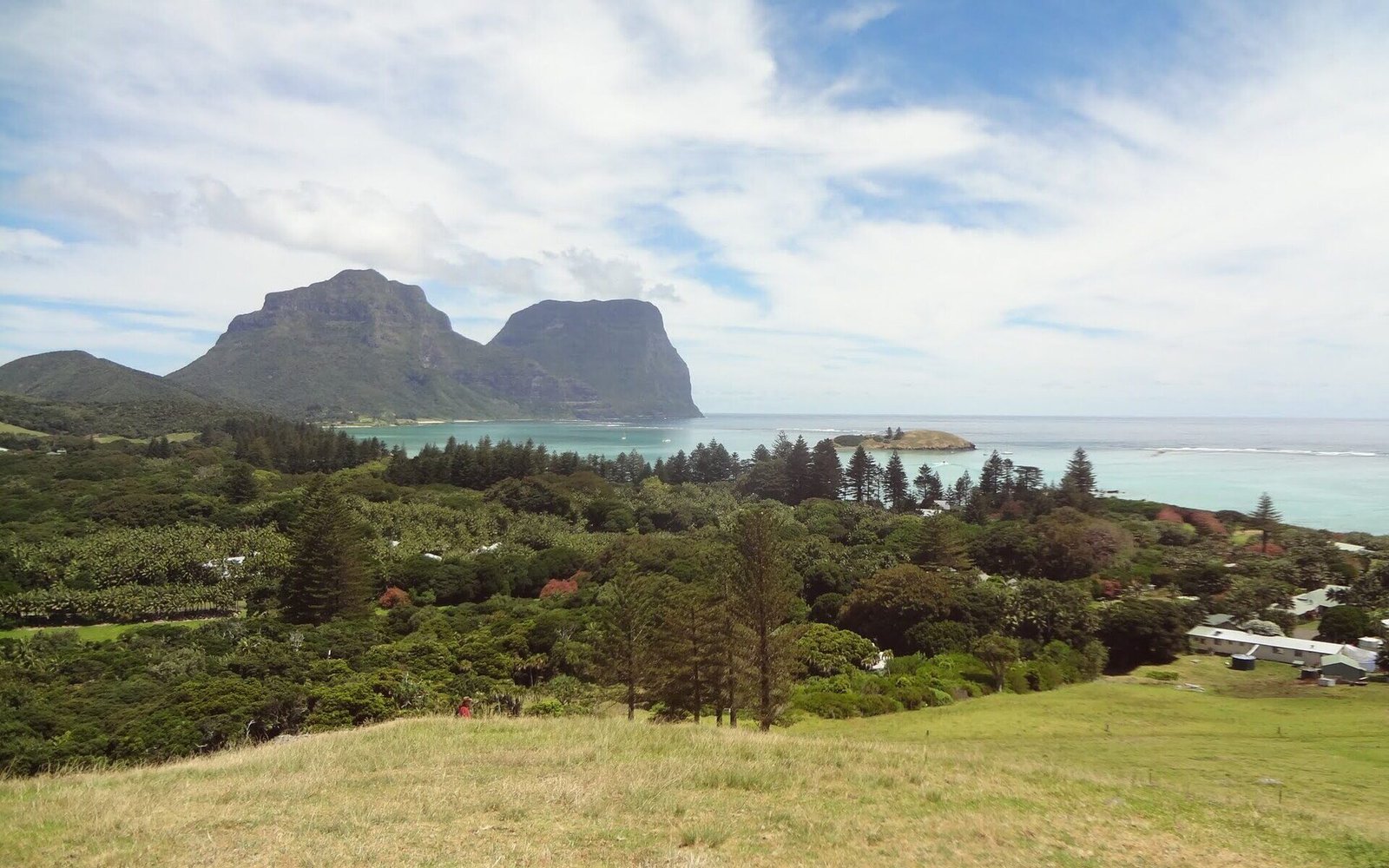
Lord Howe is a crescent of volcanic rock in the Tasman Sea, about 10 km long, with two forested mountains at one end and a turquoise lagoon along its western shore. That lagoon is fringed by the most southerly coral barrier reef in the world. Because the island sits where warm tropical currents meet cooler temperate water, its reefs host a mix of species you won’t find together anywhere else.
Why it’s special
Around 490 species of fish and more than 80 species of coral have been recorded in Lord Howe’s waters. Tropical corals grow alongside kelp and temperate fish, and a number of species are found nowhere else. The island group was listed as a UNESCO World Heritage Site in 1982 for its scenery, its rare plants and birds and its reef, and the surrounding waters are protected as the Lord Howe Island Marine Park.
Tourism is deliberately small. Only 400 visitors may stay on the island at any one time, there are few cars, and most people get around by bicycle. The result is a place that feels unhurried and remarkably unspoilt.
What you’ll see
- Ned’s Beach: shallow coral right off the sand, with kingfish, mullet and drummer crowding the shallows.
- The lagoon: glass-bottom boat and snorkel trips over coral gardens, with green turtles a common sight.
- North Bay: calm water, coral and a small wreck, reached by boat or a walk.
- Ball’s Pyramid: a 551-metre sea stack 23 km offshore, with world-class diving among Galapagos sharks, schools of kingfish and endemic species.
- Double-header wrasse and McCulloch’s anemonefish: two of the local specialities.
When to go
The island is open all year. Snorkelling and diving are best from about September to May, when the water is warmest (it peaks at around 25°C in February and March). Winter water drops to about 18°C, and some operators close. Book early for the summer holidays, as the 400-bed limit fills quickly.
How to get there
Flights take less than two hours from Sydney, and there are also services from Port Macquarie, Newcastle and the Gold Coast at certain times of year. Baggage allowances on the small planes are strict, so check before you pack your dive gear. Accommodation is limited and must be booked before you fly.
Snorkelling or diving?
Lord Howe is one of the best places in Australia for easy snorkelling. The lagoon is shallow and sheltered, and operators run snorkel trips to coral gardens and turtle spots, or you can hire gear and swim from Ned’s Beach. Divers can explore more than 60 sites around the island, from shallow reefs inside the lagoon to the walls and caves of the Admiralty Islets. Ball’s Pyramid is the headline dive: an exposed, deep site that suits experienced divers and depends on calm weather.
Know before you go
- Book ahead: flights and the island’s limited beds sell out months in advance, especially in summer.
- Getting around: hire a bike; cars are few and the island is small.
- Water temperature: 18–25°C depending on the season, so bring a thicker wetsuit outside summer.
- Walking: combine reef days with the climb up Mount Gower, one of Australia’s best day walks, which must be done with a licensed guide.
- Cash and phones: card payments work in most places, and mobile coverage is limited.
Best snorkel and dive sites
- Ned’s Beach: fish swarm around you in shallow water over sand and coral, and you can hire snorkel gear from an honesty shed on the beach.
- North Bay: a sheltered bay with coral and a wreck, reached by boat or a walk.
- The lagoon: glass-bottomed boat trips and snorkel tours visit coral gardens such as Erscotts Hole, where turtles are common.
- The Admiralty Islets: rocky islets off the north of the island, with arches, caves and big fish for divers.
- Ball’s Pyramid: the tallest volcanic sea stack in the world, about 23 km offshore; an advanced dive with Galápagos sharks and subtropical fish found nowhere else.
Plan your trip
Only 400 visitors are allowed on the island at a time, so book flights and accommodation well ahead, especially for the Australian summer. Five to seven days lets you snorkel, walk Mount Gower with a guide, and wait out a windy day. Hire a bike: there are few cars.
Planning where to go? See our guide to the best snorkelling in the world and the best places to snorkel from the beach.
Protecting the reef
Fishing is restricted in sanctuary zones, and the island has worked hard to eradicate rats to protect its birds. Visitors are asked not to feed fish except where permitted, to use reef-safe sunscreen and to keep off the coral.
Book a trip
Compare snorkel trips, dive days and tours for this area on our partner GetYourGuide, with reviews from other travellers and free cancellation on many trips. For the full list, see the world’s top 20 coral reefs, our guide to the best snorkelling in the world, or read about coral bleaching and the future of reefs.
Questions people ask
Is Lord Howe Island part of the Great Barrier Reef?
No. It is about 1,000 km south of the southern end of the Great Barrier Reef and has its own, separate reef.
Can you snorkel on Lord Howe without a boat?
Yes. Ned’s Beach and parts of the lagoon are easy shore snorkels.
How many tourists can visit Lord Howe Island?
No more than 400 at a time.
Some links on this page earn us a commission at no extra cost to you. How this site makes money